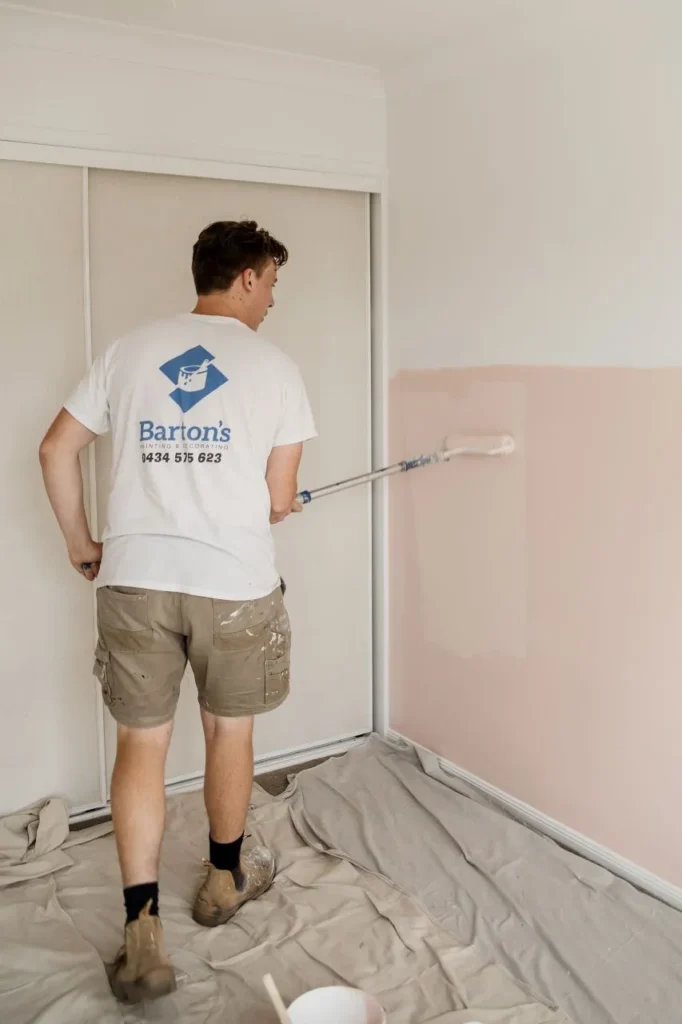
If you are facing issues such as peeling, flaking, or bubbling paint on the exterior of your Redlands home, know that you are not alone. Many homeowners in regions like Cleveland, Victoria Point, Wellington Point, and the vast Bayside area encounter similar challenges due to the high levels of salt air that exacerbate these paint problems. The good news is that these issues can be resolved effectively. However, applying a fresh coat of paint without addressing the underlying causes is not only futile but could lead to more serious complications down the line.
This article delves into the root causes of paint deterioration and offers practical, actionable solutions to effectively tackle these persistent issues. By understanding the factors at play, you can take informed steps to protect your home’s exterior.
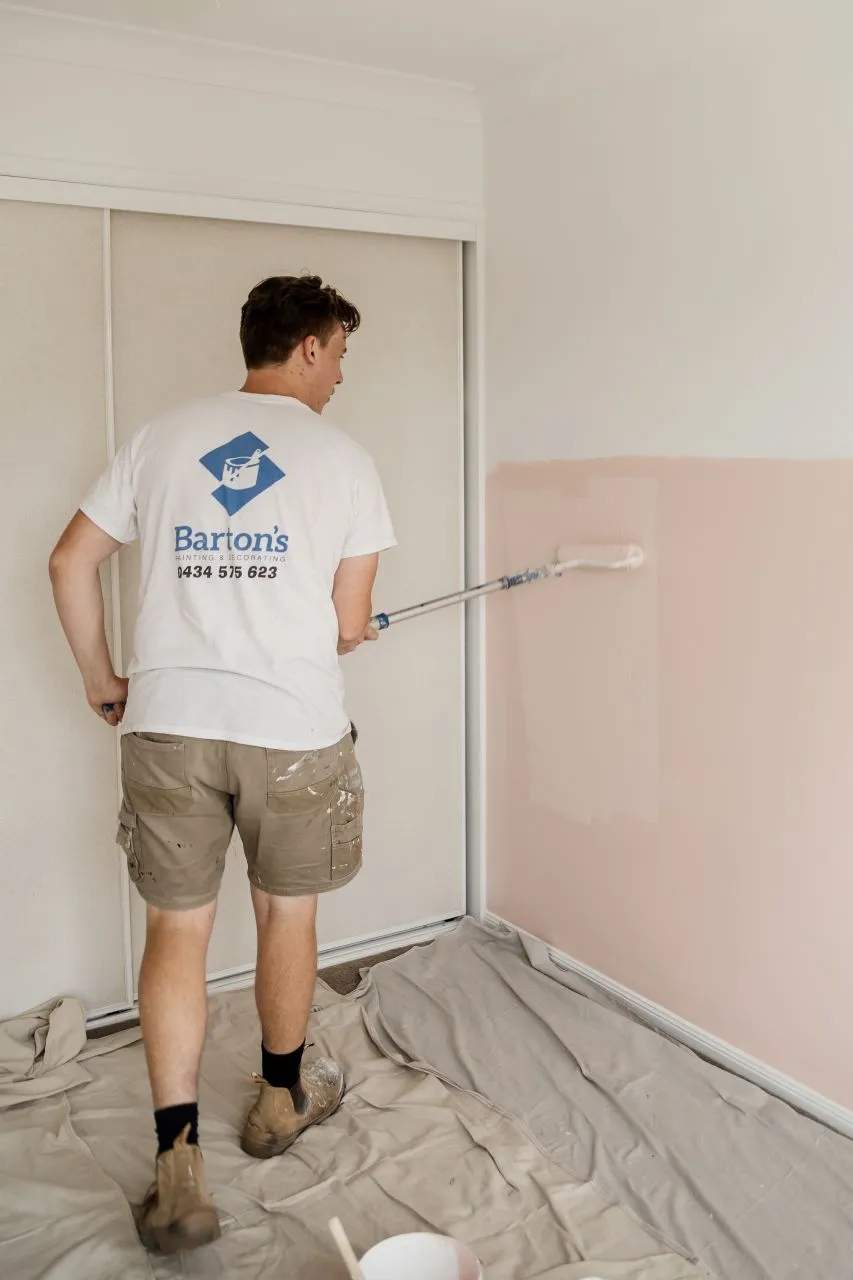
Discover the Primary Factors Leading to Peeling Paint in Redlands Homes
How Does Moisture Intrusion Cause Paint Film Failure?
Moisture intrusion is the leading cause of paint-related problems, and the high humidity levels prevalent in the Bayside area exacerbate this issue significantly. Moisture can penetrate the substrate, which may consist of timber, render, or fibre cement, from behind. It can enter through various sources such as leaking gutters, failed flashing, condensation in wall cavities, or rising damp. Once moisture infiltrates behind the paint film, it can lead to bubbling, which ultimately results in peeling. Addressing moisture issues promptly can save homeowners from further complications.
What Impact Does Salt Air Have on Paint Durability?
Salt air is a significant factor that affects homes in the Redlands area. Over time, salt residues accumulate on exterior surfaces, and if these residues are not regularly washed away, they contribute to the degradation of the paint film. Homes located in Cleveland, Victoria Point, or those nearer to the water will experience accelerated paint deterioration compared to those situated further inland. This phenomenon does not indicate that the previous paint application was of poor quality; rather, it highlights the geographical challenges that impact the durability of paint on coastal properties.
How Does Inadequate Surface Preparation Affect Paint Adhesion?
If the last painting contractor neglected to adequately clean, sand, or prime the surface before application, the new paint will struggle to adhere properly. This issue is particularly pronounced when the old surface has not been thoroughly washed to eliminate salt contamination prior to the application of new paint. When fresh paint is applied over a surface laden with salt, the likelihood of failure increases dramatically, leading to peeling and additional complications that could have been easily avoided.
Can Painting Under Adverse Conditions Cause Issues?
Absolutely, applying paint during high humidity, extreme heat, or shortly before rain can severely hinder proper curing. The subtropical climate of Brisbane requires painters to pay close attention to timing, as humidity levels in the Redlands can remain elevated throughout the year. Painting in excessively moist conditions can result in improper film formation, ultimately leading to paint failure and further complications. It is essential to choose the right weather conditions to ensure a lasting finish.
What Are the Consequences of UV Degradation on Paint?
The intensity of Queensland's UV rays is significant. Over a span of 10 to 15 years, these UV rays can break down the binder within the paint film. At first, you might notice chalking, which resembles a powdery residue when you rub the surface. This deterioration can escalate to cracking and ultimately peeling. The ageing process of paint is natural, indicating that it is time for a repaint rather than reflecting a mistake in the initial application. Understanding this process can help homeowners plan for maintenance effectively.
How Does Choosing the Incorrect Paint Influence Results?
Using oil-based paint over acrylic, applying interior paint on exterior surfaces, or selecting low-quality paint on a surface that requires a flexible coating can lead to adhesion failures and peeling. Furthermore, opting for the wrong primer or failing to use one altogether can also contribute to these complications. It is crucial to select the appropriate paint and primer to ensure a successful application that stands the test of time.
What Effect Does Timber Movement Have on Paint Integrity?
Timber naturally expands and contracts in response to changes in moisture and temperature, with the humidity fluctuations in the Redlands potentially intensifying this movement. If the paint system lacks the necessary flexibility to accommodate this natural expansion and contraction, it can lead to cracking and peeling, particularly on weatherboards, window frames, and timber fascia. Recognising the behaviour of timber is vital for selecting appropriate paint systems that can withstand these movements.
Essential Steps for Effectively Repairing Peeling Paint
Step 1 — Identify the Root Cause of Peeling
Before reaching for a scraper, it is essential to pinpoint the root cause of the peeling. If moisture is the culprit, addressing the moisture source must be your first priority. If salt is the issue, ensure you wash the surface thoroughly before repainting. Simply applying a new layer of paint over the existing problem will only delay the issue, leading to more extensive damage in the long run. Identifying the underlying problem is the key to achieving a lasting solution.
Step 2 — Completely Remove All Loose and Failing Paint
All paint that appears lifted, bubbling, cracked, or flaking must be removed. Scrape back to a solid, well-adhered paint or bare substrate. It is crucial to avoid leaving loose edges, as they will lift under the new coat of paint, causing additional complications later. Thoroughly preparing the surface is vital for achieving optimal adhesion and durability.
Step 3 — Thoroughly Wash and Prepare the Surface
In the Redlands, washing the exterior surface is imperative. You must eliminate salt deposits, mould, dirt, and any chalking that has accumulated. A pressure wash followed by allowing the surface to dry completely is necessary to ensure a clean base. For bare timber, ensure you sand it down to a clean surface, and for bare render, confirm that it is solid and not powdery. Proper surface preparation sets the foundation for a successful repaint.
Step 4 — Always Use a Primer
Bare substrates necessitate a primer. The type of primer you select will depend on the surface—an acrylic primer for most exterior surfaces, an oil-based primer for timbers prone to tannin bleed, or a bonding primer for glossy surfaces. Skipping the primer is a common reason for failure in subsequent paint jobs, leading to peeling and flaking. Choosing the right primer is essential for ensuring the longevity of your paintwork.
Step 5 — Apply Two Topcoats of Quality Exterior Paint
Applying two complete coats of high-quality exterior paint is critical—not just one thick coat, not inexpensive paint, and certainly not interior paint. Two coats are necessary to ensure proper build, coverage, and longevity capable of withstanding the unique climatic conditions of the Bayside area. This approach guarantees a robust finish that will protect your home for years to come.
When Is It Best to Hire a Professional Painter Instead of DIY?
You Can Likely Manage It Yourself If:
- The area is small (less than a square metre)
- It is at ground level and easily accessible
- The cause of peeling is clear (such as UV degradation on an older coat without moisture issues)
- You are comfortable with the necessary prep work, primer application, and applying two coats of paint
When Should You Consider Professional Painter Assistance?
- The peeling is extensive and affects multiple walls
- The issue is on a second storey or in any location that necessitates the use of a ladder or scaffolding
- You suspect moisture behind the wall (indicated by bubbling, soft substrate, or mould)
- The last paint job was recent but is already failing (which may warrant a warranty claim)
- The problem is on a timber surface showing signs of rot
- You prefer a job completed correctly the first time
Understanding the Costs of Effective Repainting
We do not provide estimates for peeling paint repairs on a per-job basis; instead, we base our quotes on measured meterage, similar to any exterior painting task. The rate depends on the level of preparation required, as extensive scraping, salt washing, and sanding will incur higher costs compared to a straightforward two-coat repaint over sound paint. Accessibility to the site also impacts the price, so it is essential to consider these factors when budgeting for your project.
Contact us for a thorough assessment and an itemised quote. We will identify the cause of the problem and explain what is necessary to rectify it effectively, ensuring that you receive the best value for your investment.
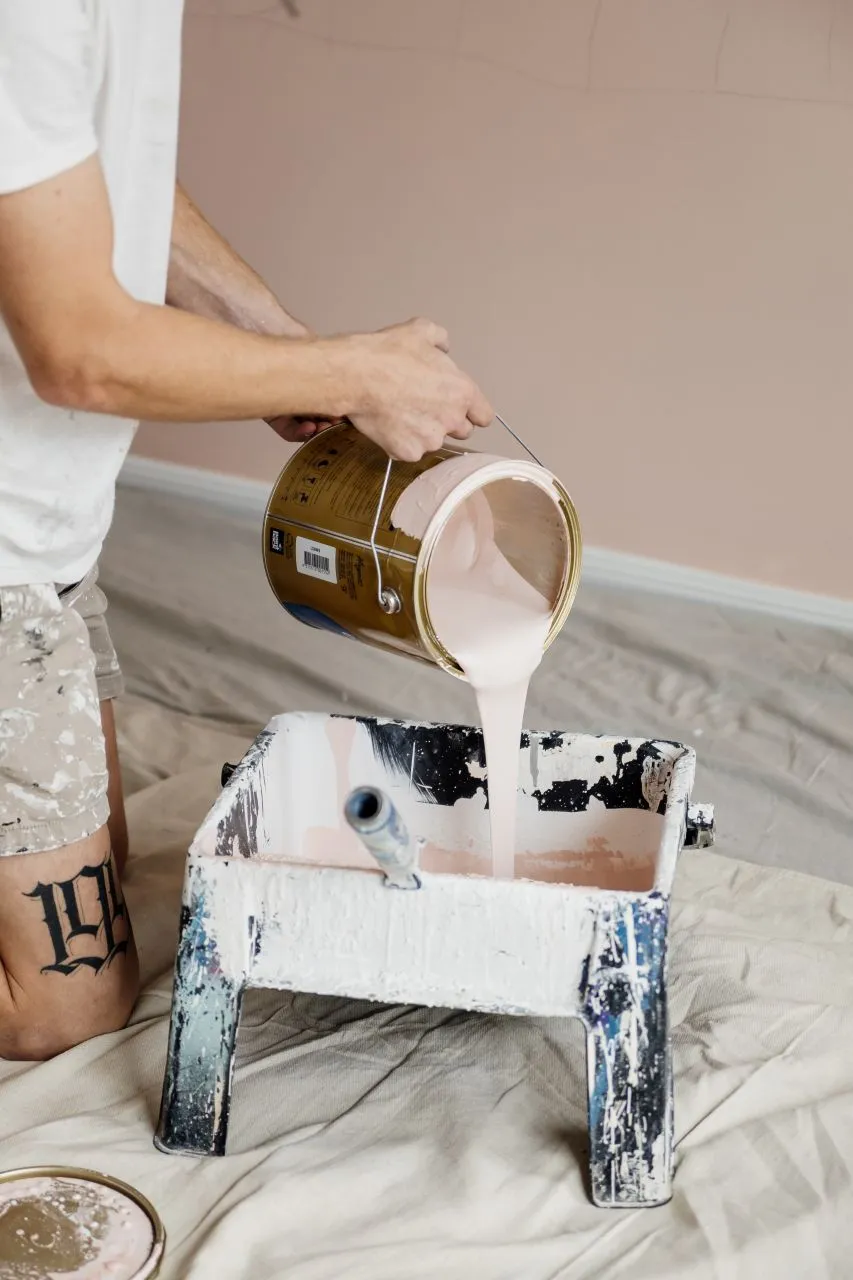
Preventing Future Paint Peeling: Key Strategies for Homeowners
Address moisture sources. Conduct a thorough inspection of gutters, downpipes, flashing, and caulking around windows. If water is seeping behind the paint, no paint system can resolve that issue effectively. Identifying and rectifying moisture sources is essential for long-term protection.
Schedule regular washing. In the Redlands, performing an annual wash to eliminate salt buildup significantly extends the lifespan of your paint. This maintenance is particularly critical for the side of your house that faces the water, where salt exposure is greatest. Regular cleaning can prevent premature paint failure.
Select the appropriate paint system. Choose high-quality exterior acrylic paint applied over the correct primer, ensuring compatibility with the substrate. The paint must be flexible enough to accommodate timber movement and temperature fluctuations to prevent future issues.
Avoid painting in adverse conditions. Do not paint during high humidity, in direct sunlight, or when rain is forecast. The ideal painting time in Brisbane is early morning on a mild, dry day, ensuring optimal conditions for application and curing.
Maintain your paintwork proactively. Detect and address small cracks or chips early on, before they escalate into larger issues. A simple touch-up now can prevent the necessity for a full repaint in the future, saving you time and money.
Common Questions About Peeling Paint Addressed
Why Is My Paint Peeling After Only a Few Years?
The primary reason for this issue typically stems from insufficient preparation during the last paint job, particularly if the surface was not thoroughly washed to eliminate salt contamination before painting. Additionally, moisture behind the paint film frequently leads to peeling in the Redlands area, making it essential to address any underlying issues before repainting.
Does Salt Air Accelerate Paint Peeling in the Redlands?
Absolutely. Salt accumulates on exterior surfaces and gradually deteriorates the paint film over time. Homes closer to the water, such as those in Cleveland and Victoria Point, will experience paint degradation at a faster rate than those located further inland. Regular washing can help mitigate these effects, but you will still find that you need to repaint sooner than homes situated in Logan or the western suburbs.
Is It Possible to Simply Paint Over Peeling Paint?
No, painting over peeling or loose paint is an unwise investment. The new layer will also peel because it will not bond effectively to a failing surface. All loose paint must be removed, and the surface must be adequately prepared before repainting to ensure a successful and lasting finish.
Does Peeling Paint Indicate a Moisture Problem?
Not necessarily. While UV degradation, salt exposure, and poor preparation can also cause peeling, if you observe bubbling (paint lifting in rounded blisters), soft or damp substrate underneath, or peeling concentrated around gutters, windows, or bathrooms, moisture is likely the issue that needs to be addressed first. Understanding the specific causes of peeling can guide appropriate solutions.
What Is the Cost of Repairing Peeling Exterior Paint?
The cost will vary based on the affected area, the amount of preparation necessary, and the accessibility of the site. We provide quotes based on measured meterage, following the same pricing structure as any exterior repaint, with additional charges for extensive scraping, salt washing, and preparation work. Contact us for a tailored quote based on your specific situation, ensuring transparency and clarity in pricing.
Should I Use Oil-Based or Water-Based Paint for Exterior Walls in Brisbane?
For most exterior surfaces in the Redlands, high-quality water-based (acrylic) exterior paint is the recommended option. It offers better flexibility compared to oil-based paint, performs better under UV exposure, and adjusts to the substrate's movement due to Queensland's heat and humidity changes. Oil-based paint tends to be more brittle and is more susceptible to cracking and peeling when applied to exterior surfaces, making water-based options the preferred choice.
Engage Professional Services for a Comprehensive Solution
Contact Barton’s Painting at 0434 575 623. We offer a detailed assessment to uncover the underlying issues causing the peeling, and we will provide you with a comprehensive quote for effective repairs—not just a temporary fix. As a QBCC-licensed and fully insured service, we have proudly served the Redlands and Bayside areas since 2015, ensuring high-quality outcomes for our clients.
Original Article First Published At: Peeling Paint On Redlands Homes — Causes, Fixes And When To Call A Brisbane Painter
The Article: Peeling Paint on Redlands Homes: Causes and Solutions first appeared on https://writebuff.com
The Article Causes and Solutions for Peeling Paint on Redlands Homes Was Found On https://limitsofstrategy.com
The Article Peeling Paint on Redlands Homes: Causes and Solutions found first on https://electroquench.com