Discover the Range of Comprehensive Liver Blood Tests Offered in Ipswich
What Is the Purpose of a Liver Blood Test?
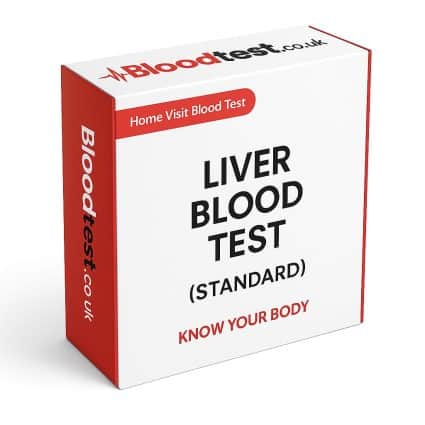
Private Liver Blood Test in Ipswich: A liver blood test acts as a crucial diagnostic tool, assessing liver functionality by measuring specific enzymes and proteins present in the bloodstream. This essential testing is significant for identifying a variety of liver-related conditions, including hepatitis, fatty liver disease, and numerous other hepatic disorders. The residents of Ipswich can access this vital diagnostic service through local clinics and NHS facilities, promoting proactive health monitoring. Qualified NHS professionals meticulously analyse the test results, ensuring patients receive precise assessments of their liver health status. Gaining an understanding of the importance and function of a liver blood test can empower individuals at risk of liver disease to take proactive measures.

The liver performs numerous critical functions, including detoxification, protein synthesis, and the production of vital biochemicals necessary for digestion. Therefore, regularly testing liver function serves as a proactive measure for maintaining overall health. This is particularly essential for individuals with risk factors such as obesity, excessive alcohol intake, or a family history of liver diseases. Regular evaluations can lead to timely interventions that may prevent the escalation of liver-related health issues, thereby promoting long-term well-being.
In Ipswich, liver blood tests often form part of routine health assessments, enabling immediate action to avert the deterioration of liver health. These tests not only provide crucial insights into liver functionality but also contribute to comprehensive health evaluations, guiding necessary treatment and lifestyle adjustments.
What Are the Different Types of Liver Blood Tests Offered Nearby?
In Ipswich, a wide array of liver blood tests is readily accessible, each specifically designed to evaluate various aspects of liver health. Common standard tests typically include assessments of ALT (alanine aminotransferase), AST (aspartate aminotransferase), and bilirubin levels. These evaluations are conducted both at NHS and private laboratory facilities, ensuring comprehensive assessments of liver health for all patients, regardless of the setting.
The ALT and AST tests hold particular significance as they measure the levels of enzymes released into the bloodstream when liver cells sustain damage. Elevated enzyme levels can indicate liver inflammation or injury, necessitating further diagnostic evaluations. Bilirubin tests assess the concentration of bilirubin, a by-product of red blood cell breakdown. High bilirubin levels may suggest liver dysfunction or bile duct obstruction, underscoring the test’s importance in identifying potential health issues.
For those in Ipswich seeking liver blood tests, it is advisable to consult with their general practitioners (GPs) to receive personalised recommendations regarding which tests best align with their health needs. This consultation ensures that the appropriate tests are selected while also providing patients with valuable insights into interpreting their results and determining necessary actions based on the findings.
How Can You Prepare Effectively for a Liver Blood Test?
Preparing adequately for a liver blood test is crucial to ensuring the accuracy and reliability of the results. Patients in Ipswich should adhere to several fundamental steps prior to their appointment to enhance the precision of their test outcomes. These preparation steps include:
- Fasting for at least eight hours before the test is essential, as food consumption can significantly affect enzyme levels in the bloodstream.
- Avoiding alcohol consumption for at least 24 hours before the test is crucial, since alcohol can markedly influence indicators of liver function.
- Informing your doctor about any medications or supplements you are currently taking is vital, as certain substances may interfere with test results.
- Staying well-hydrated by drinking adequate water before the test can facilitate the blood draw process and improve overall comfort.
By following these preparation guidelines, patients can ensure that their liver blood tests accurately reflect their true liver function. Furthermore, discussing any concerns or specific health conditions with a healthcare provider prior to the test can offer tailored recommendations based on an individual’s medical history, further enhancing the accuracy of the results.
What Is the Process Involved in a Liver Blood Test?
What Blood Samples Are Collected During the Test?
During a liver blood test, healthcare professionals perform a straightforward vein puncture to draw blood samples. This procedure is typically conducted at clinics in Ipswich and is designed to be quick and minimally invasive, ensuring patient comfort. Once the blood sample is obtained, it is promptly sent to a laboratory for comprehensive analysis, where it is assessed for markers of liver health and potential damage.
The analysis focuses on specific blood components that can provide critical insights into liver function. These components include enzymes such as ALT and AST, protein levels, and bilirubin concentrations. The entire process adheres to stringent UK medical standards, guaranteeing that patients receive accurate and trustworthy diagnostic services tailored to their needs.
Patients can expect trained healthcare practitioners to perform the blood draw, recognising the importance of proper technique to minimise discomfort. Typically, results are available within a few days, and patients are encouraged to follow up with their healthcare provider to discuss the implications of their test results, facilitating informed decision-making regarding their liver health.
Why Is Timing Essential for Accurate Test Results?
Timing plays a critical role that influences the accuracy of a liver blood test. Ideally, these tests should be scheduled at optimal times to avoid any variables that might distort the results. For instance, recent meals can impact blood enzyme levels, potentially leading to misleading readings. Consequently, patients in Ipswich are generally advised to undergo testing after fasting for a minimum of eight hours to ensure the integrity of the results.
Additionally, certain times of day can also affect the levels of specific substances, such as bilirubin, which may fluctuate throughout the day. Consistent scheduling of tests at the same time can enhance test reliability, allowing healthcare providers to make more informed assessments of liver health. By paying close attention to these timing considerations, patients can ensure that their liver blood tests yield the most accurate and beneficial information regarding their health.
Ultimately, collaborating with healthcare providers on test timing is essential for obtaining results that genuinely reflect liver function and overall health status. This partnership empowers patients to take proactive steps in monitoring and maintaining their liver health, leading to a better quality of life.
What Equipment Is Used in Liver Blood Tests?
In UK laboratories, including those located in Ipswich, various advanced tools are employed to conduct liver blood tests efficiently and accurately. Automated analysers are among the most commonly used instruments, facilitating rapid evaluation of blood components while ensuring precise results. These machines are specifically designed to process multiple samples simultaneously, enhancing laboratory efficiency while upholding high standards of accuracy.
The integration of state-of-the-art technology in the testing process significantly elevates the quality of diagnostic services available to patients. For instance, automated analysers can quickly assess enzyme levels, bilirubin concentrations, and other vital markers, enabling timely diagnoses of potential liver concerns. This rapid turnaround is particularly beneficial in healthcare settings where prompt interventions can greatly influence patient outcomes and overall health trajectories.
Healthcare professionals in Ipswich rely heavily on these technological advancements to deliver top-tier diagnostic services. The collaboration between skilled laboratory technicians and cutting-edge equipment ensures that patients receive comprehensive and trustworthy evaluations of their liver health, which subsequently informs future treatment decisions and health management strategies.
How Are Liver Blood Test Results Interpreted?
In practices throughout the UK, including those in Ipswich, the interpretation of liver blood test results is a vital component of patient care. Experts evaluate liver enzyme, protein, and bilirubin levels by comparing them against established normal ranges to assess the liver’s functional status. Elevated enzyme levels may indicate liver damage, inflammation, or conditions such as fatty liver disease. Conversely, abnormal bilirubin levels may suggest issues with the liver’s processing capacity or bile flow, necessitating further investigation.
Healthcare professionals adopt a holistic approach when interpreting test results, considering the patient’s medical history, symptoms, and lifestyle choices. This comprehensive analysis assists in identifying potential liver conditions, allowing for timely interventions and the development of personalised treatment plans. For instance, patients with elevated ALT levels might be referred for further imaging or lifestyle modifications to mitigate risks to liver health and enhance overall well-being.
Patients are encouraged to discuss their results with their healthcare provider to gain a clearer understanding of their liver function. Real-world case studies from the UK highlight how timely interpretations of liver blood tests can lead to proactive healthcare measures, ultimately improving patient outcomes and fostering better liver health for individuals throughout Ipswich.
Expert Insights on Liver Blood Tests in Ipswich
How Often Should You Repeat Liver Blood Tests?
Regular monitoring of liver health through liver blood tests is crucial for individuals at risk of liver disease. In Ipswich, it is typically recommended that these tests be repeated every six months, particularly for those with risk factors such as obesity, alcohol consumption, or a family history of liver ailments. Following NHS guidelines, this proactive approach enables early detection and intervention, which can be vital in managing potential health concerns and maintaining optimal liver function over time.
Patients should diligently observe any symptoms or changes in their health between tests. Keeping a detailed record of relevant symptoms can provide valuable insights for healthcare providers to tailor ongoing monitoring and treatment strategies. For example, individuals experiencing fatigue, jaundice, or unexplained fluctuations in weight should communicate these concerns during their routine check-ups, ensuring comprehensive care.
By establishing a regular schedule for liver blood tests, residents of Ipswich can take ownership of their liver health, ensuring timely evaluations and minimising the risk of complications. Collaborating with healthcare professionals to determine the appropriate test frequency based on personal health factors is essential for maintaining optimal liver function and preventing disease progression.
What Potential Side Effects Should Patients Anticipate?
While liver blood tests are typically considered safe and well-tolerated, some patients may experience minor side effects following the procedure. In Ipswich, common reactions include bruising or discomfort at the site of the blood draw. These side effects are generally mild and resolve quickly without the need for further intervention, allowing patients to resume their daily activities with minimal disruption.
Patients are advised to monitor their condition after the test and report any unusual symptoms or persistent discomfort to their healthcare provider. Practising proper aftercare, such as applying a clean bandage and avoiding heavy lifting, can help reduce the likelihood of complications and promote healing.
For individuals who experience significant discomfort or show signs of infection, such as swelling or redness, prompt follow-up with local healthcare professionals is imperative. Addressing these issues swiftly ensures optimal recovery and underscores a commitment to patient safety and well-being, reinforcing trust in the healthcare system.
How Can You Accurately Interpret Your Liver Blood Test Results?
Accurate interpretation of liver blood test results is essential for understanding liver health. After the tests, patients in Ipswich should review their results with a healthcare professional, who can clarify the implications for liver function and overall health. Engaging in these discussions enables patients to gain a clearer understanding of their health status and the necessary actions they should take moving forward to enhance their wellbeing.
Real-world examples from UK case studies demonstrate how collaborative discussions between patients and healthcare providers can lead to informed decision-making. For instance, a patient with slightly elevated liver enzymes may discover that lifestyle adjustments, such as dietary changes and increased physical activity, can significantly improve liver health over time, promoting a healthier lifestyle.
Moreover, understanding the context of test results within the broader framework of an individual’s health can empower patients to make well-informed choices regarding their wellness. By actively participating in their health discussions, patients can cultivate a collaborative relationship with their healthcare providers, ensuring better management of liver conditions and fostering a proactive approach to their health.
What Are the Essential Steps to Prepare for Liver Blood Tests in Ipswich?
Effective preparation for liver blood tests is crucial to obtaining reliable and informative results. Patients in Ipswich should follow NHS guidelines and adhere to the specific instructions given by their healthcare provider, which typically recommend fasting for at least eight hours prior to testing. This fasting period helps eliminate any food-related variables that could potentially impact enzyme levels, ensuring the integrity of the results.
Additionally, avoiding specific medications and supplements that may interfere with test results is vital. Patients should discuss their current medication regimen with their doctor to identify which medications should be paused before testing, ensuring that the results are accurate. Staying adequately hydrated is also crucial; drinking water can facilitate the blood draw and enhance the overall experience, making the procedure smoother.
It is advisable to communicate any pertinent medical history or concerns to local professionals prior to the test. This information enables healthcare providers to offer tailored advice, setting patients up for success in achieving accurate results. Patients who take these preparatory measures are more likely to receive trustworthy evaluations of their liver health, laying the groundwork for effective care and management moving forward.
How Do Lifestyle Factors Affect Liver Health in Ipswich?
The impact of lifestyle choices on liver health is substantial. Experts in Ipswich emphasise that diet, alcohol intake, and physical activity play crucial roles in preserving optimal liver function and overall health. For instance, adopting a Mediterranean diet, rich in fruits, vegetables, whole grains, and healthy fats, can significantly support liver health by assisting in weight management and reducing inflammation within the body.
Furthermore, restricting alcohol consumption is critical, as excessive intake can lead to liver damage and various complications. The NHS recommends adhering to guidelines for alcohol consumption to mitigate risks to liver health. Regular physical activity also contributes positively, as it helps maintain a healthy weight and enhances overall metabolic function, which is essential for liver health.
Patients are encouraged to integrate these lifestyle modifications into their daily routines, as they can lead to significant improvements in liver health over time. Even small, consistent changes can yield substantial health benefits, empowering individuals to take control of their liver health through informed choices and proactive lifestyle management.
Research-Backed Benefits of Liver Blood Tests in Ipswich
The benefits of liver blood tests are well-documented and play a vital role in public health initiatives in Ipswich and across the UK. These tests facilitate early detection of liver disease, which often presents without symptoms in its initial stages. Early identification allows for timely intervention, which can greatly improve patient outcomes and prevent the progression of liver-related conditions, thereby enhancing the quality of life for affected individuals.
Moreover, regular testing supports ongoing monitoring for individuals with existing liver conditions, enabling healthcare providers to customise treatment plans based on the latest data. This proactive approach aligns with current NHS guidelines, highlighting the necessity of routine screenings in at-risk populations, such as individuals with obesity or a history of alcohol use, ensuring that appropriate care is delivered.
Research further indicates that individuals who routinely monitor their liver health are more inclined to adopt beneficial lifestyle changes, such as improved dietary habits and increased physical activity. These adjustments can enhance liver function and overall well-being, creating a positive feedback loop that boosts quality of life and promotes long-term health.
What Are the Cost Expectations for Liver Blood Tests?
The costs associated with liver blood tests in Ipswich can vary based on whether the tests are conducted through the NHS or private laboratories. Generally, patients accessing tests via NHS services may not incur direct costs, as the National Health Service often covers these provided they have a referral from a healthcare provider, making it accessible for many individuals.
For those opting for private testing, prices can fluctuate significantly depending on the specific tests requested and the chosen laboratory. Patients should reach out to local clinics to inquire about pricing structures for comprehensive liver panels or individual assessments to ensure they understand potential costs, allowing for better financial planning.
It is prudent for patients to discuss with their healthcare provider the most cost-effective options available. Understanding the financial implications can assist patients in better managing their healthcare budgets while ensuring they receive the necessary diagnostic services to maintain their health.
Proven Approaches for Effective Liver Blood Tests in Ipswich
Implementing reliable strategies for liver blood tests can enhance patient experiences and outcomes in Ipswich. Firstly, establishing a robust relationship with a healthcare provider is essential. Open communication facilitates tailored advice regarding testing frequency, preparation, and result interpretation, ensuring that patients feel supported throughout the process.
Secondly, patients should actively engage in their health by tracking symptoms and maintaining regular lifestyle habits that promote liver health. This proactive approach can lead to more effective monitoring and intervention, ensuring that any changes in liver function are promptly addressed, and overall health remains a priority.
Additionally, being informed about the various types of liver tests available, their purposes, and preparation methods empowers patients to take charge of their health. Staying educated about liver health underscores the importance of regular check-ups and encourages individuals to seek assistance when needed, fostering a culture of proactive health management.
Ultimately, fostering a comprehensive understanding of liver blood tests and their significance is crucial for individuals in Ipswich. By adopting these proven strategies, patients can enhance their overall health management and improve liver health outcomes, contributing to a healthier community.
Frequently Asked Questions (FAQs)
What Is the Purpose of a Liver Blood Test?
A liver blood test assesses liver function by measuring enzymes and proteins in the blood, aiding in the detection of conditions such as hepatitis or fatty liver disease, ensuring timely diagnosis and management.
How Often Should I Undergo a Liver Blood Test?
It is generally recommended that individuals at risk of liver disease have a liver blood test every six months, in accordance with NHS guidelines, to ensure ongoing monitoring and early detection of potential issues.
What Preparation Is Needed for a Liver Blood Test?
Prepare for a liver blood test by fasting for at least eight hours, avoiding alcohol, and informing your doctor about any medications you are taking, ensuring accurate and reliable results.
Are There Any Side Effects Linked to Liver Blood Tests?
Common side effects include bruising or discomfort at the blood draw site. These symptoms are usually mild and resolve quickly, allowing patients to return to their regular activities without complications.
How Are Liver Blood Test Results Interpreted?
Results are evaluated by professionals who compare enzyme levels and proteins against established benchmarks to assess liver health and identify potential issues that require further investigation.
What Types of Liver Tests Are Available in Ipswich?
In Ipswich, standard tests include assessments of ALT, AST, and bilirubin, available through both NHS and private laboratories for precise evaluations of liver health.
Can Lifestyle Changes Affect Liver Health?
Yes, lifestyle factors such as diet, alcohol consumption, and exercise can significantly influence liver function and overall health, making it crucial for individuals to adopt healthy habits.
What Are the Costs of Liver Blood Tests?
Costs can vary significantly based on whether tests are conducted through the NHS or privately; NHS tests are generally covered, while private tests have varying fees that should be discussed with healthcare providers.
How Long Does It Typically Take to Receive Liver Test Results?
Results are usually available within a few days of blood sample collection, depending on the laboratory and the specific test type conducted, allowing for timely follow-up with healthcare providers.
Where Can I Obtain a Liver Blood Test in Ipswich?
Liver blood tests can be performed at local NHS clinics, private laboratories, and hospitals throughout Ipswich, offering a range of consultation and diagnostic options tailored to individual needs.
Join us on Facebook today!
This Article Was First Found On https://bloodtest.co.uk
The Article Liver Blood Test: A Vital Guide for Ipswich Residents found first on https://electroquench.com