Safeguard Your Property: Understanding the Critical Role of Interior Drainage Services
Why is Interior Drainage Crucial for Ensuring Home Safety?
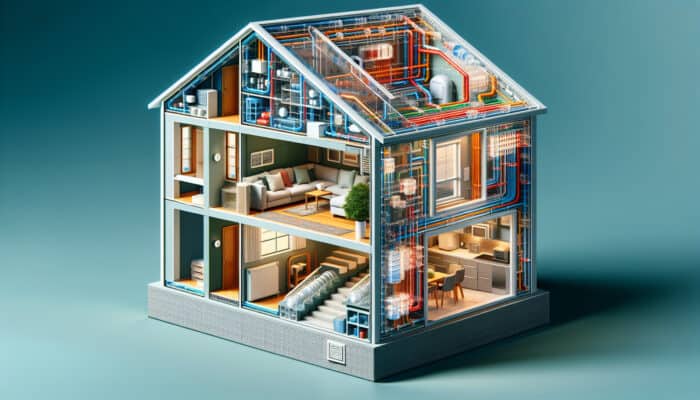
In South Vancouver, interior drainage services are essential for maintaining a safe and healthy living environment in any building. These systems function as a protective barrier against the adverse effects of water intrusion, which can lead to severe complications for both residential and commercial properties. By investing in robust drainage solutions, homeowners can significantly reduce the risk of various water-related issues, ensuring that their properties remain resilient and structurally sound. The primary advantages of employing professional drainage services encompass:
- Minimising Risks of Water Damage: Well-designed drainage systems dramatically lower the likelihood of water damage, thereby safeguarding the overall integrity of the structure.
- Controlling Mould and Mildew Proliferation: Efficient moisture management via interior drainage solutions inhibits the growth of mould and mildew, thereby enhancing indoor air quality.
- Preserving Structural Integrity: Properly engineered drainage systems protect a building's foundation and structural elements from deterioration due to water exposure.
- Improving Indoor Air Quality: A dry indoor environment helps to reduce allergens and pollutants, increasing the comfort of living spaces.
- Providing Peace of Mind: Homeowners enjoy reassurance knowing their property is shielded against water infiltration and related hazards.
What Specific Water-Related Problems Can Drainage Services Address?
Interior drainage services effectively tackle a variety of common issues that can adversely affect a property. Many of these complications arise from poor drainage practices and can result in both visible damage and functional issues. Some of the typical problems include:
- Basement Flooding: Heavy rainfall or rising groundwater levels can surpass inadequate drainage systems, leading to basement flooding. Implementing sump pumps and French drains redirects water away from vulnerable areas effectively.
- Water Seepage: Water penetrating through walls and floors can jeopardise the structural stability of the building. Interior drainage systems can divert this infiltrating water before it inflicts damage.
- Poor Water Flow: Clogged or improperly installed drainage setups can result in stagnant water accumulation. Regular maintenance and correct installations guarantee efficient water movement.
- Soil Erosion: Unregulated runoff can lead to soil erosion around foundations. Surface drains and appropriate grading can counter this issue.
How Do Effective Drainage Solutions Influence Property Value?
Investing in comprehensive interior drainage solutions can significantly boost a property's market value. Homes equipped with reliable drainage systems tend to attract more potential buyers, as they indicate a well-maintained living environment. The ways in which drainage systems positively impact property value include:
- Attracting Prospective Buyers: Properties with effective drainage systems are less likely to experience water-related problems, making them more appealing to potential buyers.
- Lower Repair Costs: Homes boasting well-maintained drainage solutions typically incur lower expenses related to water damage repairs, serving as a strong selling point.
- Enhanced Marketability: Real estate listings that highlight efficient drainage solutions can distinguish themselves in the competitive South Vancouver market.
- Long-Term Investment Value: Properties with properly maintained drainage systems tend to retain their value over time, making them a prudent long-term investment for homeowners.
Expert Insights on Interior Drainage Solutions in South Vancouver

What Unique Drainage Challenges Are Present in South Vancouver?
The unique geological and climatic characteristics of South Vancouver demand customised drainage solutions. This region is characterised by clay soils that poorly retain moisture, combined with significant rainfall throughout the year. These conditions create a heightened need for effective drainage systems. Experts highlight that:
The local soil types often retain moisture, making it imperative for homeowners to adopt drainage solutions that effectively address this challenge. Furthermore, South Vancouver faces varying rainfall patterns, with sudden heavy downpours increasing the risk of basement flooding. As a result, drainage systems must be robust enough to manage excessive water flow during peak rainfall while functioning effectively even in drier spells.
How Do Professionals Evaluate Drainage Needs?
A professional assessment of drainage needs involves a comprehensive analysis of the property, employing various methodologies to identify the most effective solutions. Common techniques include:
- Conducting Site Inspections: Experts carry out thorough on-site evaluations to pinpoint existing drainage problems and vulnerabilities.
- Performing Soil Testing: Analysing soil composition aids experts in understanding the ground's water absorption capabilities and the best strategies for managing runoff.
- Water Flow Analysis: Evaluating the natural water flow across the property identifies areas requiring attention and effective methods for redirection.
- Mapping Existing Drainage Systems: Professionals create detailed diagrams of current drainage configurations to plan necessary improvements and enhancements.
This multifaceted approach allows drainage specialists to develop tailored solutions that address the unique challenges faced by properties in South Vancouver, ensuring their long-term effectiveness.
Essential Best Practices for Successful Drainage Installation
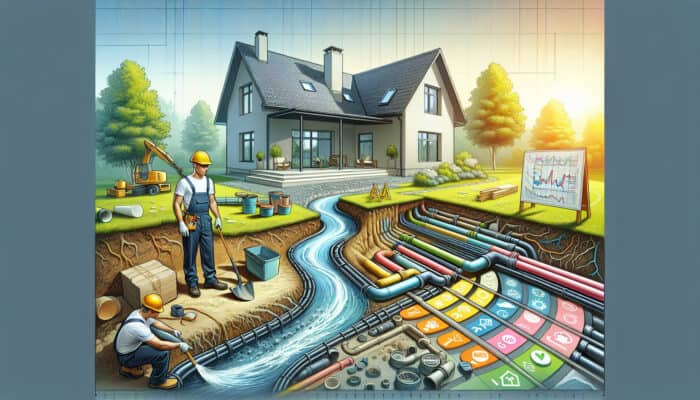
Adhering to best practices during the installation of drainage systems is crucial for their long-lasting performance and reliability. Key practices encompass:
- Ensuring Proper Grading: Adequate grading away from the foundation prevents water accumulation near the structure.
- Utilising High-Quality Materials: Employing durable, high-quality materials during installation enhances the longevity of drainage systems.
- Establishing Regular Maintenance Plans: Creating a scheduled maintenance routine ensures that drainage systems remain unobstructed and functional over time.
- Professional Installation: Engaging experienced professionals guarantees that installations are executed correctly and comply with industry standards.
Real-world examples demonstrate the effectiveness of these best practices. For instance, a property in South Vancouver that implemented proper grading and utilised premium materials reported a significant reduction in water intrusion during heavy rainfall, underscoring the importance of meticulous planning and execution in drainage installation.
Exploring Different Types of Interior Drainage Systems
French Drains: Understanding Their Design and Effectiveness
French drains have become a popular choice for managing water in residential properties, especially given the challenging soil conditions in South Vancouver. These systems consist of a trench filled with gravel and a perforated pipe that redirects water away from the building. Their design proves especially effective across various soil types, facilitating efficient drainage even in clay-heavy areas.
When installed correctly, French drains can effectively manage both groundwater and surface water. They function by collecting water in the trench, which then travels through the perforated pipe away from the foundation. For properties experiencing chronic water pooling or seepage, French drains offer a dependable and efficient solution. However, their effectiveness can be influenced by soil saturation levels and the drain's proximity to the foundation.
Understanding Sump Pumps: Key Installation Considerations and Advantages
Sump pumps play a critical role in preventing basement flooding by collecting water in a basin and pumping it away from the home. For residents of South Vancouver, it is vital to understand the key factors to consider when installing a sump pump for optimal performance. Homeowners should focus on selecting a pump capable of handling the anticipated water volume during heavy rains and ensuring the installation area is appropriately sized.
The installation process typically involves excavating a pit at the lowest point of the basement, where the sump pump will be situated. Proper drainage away from the house is essential to prevent water from pooling near the foundation. The benefits of sump pumps include:
- Flood Mitigation: Sump pumps significantly lower the risk of basement flooding, ensuring that living spaces remain dry.
- Energy Efficiency: Many modern sump pumps are designed for efficient operation, leading to reduced energy costs.
- Automatic Functionality: Most sump pumps feature automatic triggers that activate when water levels rise, giving homeowners peace of mind.
- Longevity: With proper maintenance, sump pumps can last many years, making them a valuable investment.
Surface Drains: Optimal Placement and Usage for Effective Results
Surface drains are vital for managing water on flat surfaces, effectively preventing pooling and erosion. They are particularly beneficial in areas such as driveways, patios, and yards, where water accumulation can cause structural damage or landscape erosion. Integrating surface drains with other drainage systems is crucial for comprehensive water management.
For successful installation, surface drains should be strategically positioned in low areas to capture and redirect water flow effectively. They collect surface water and channel it into underground drainage systems or away from the property. Combining surface drains, French drains, and sump pumps creates a holistic drainage strategy. This integration not only enhances water management but also extends the lifespan of the property’s foundation and landscaping.
Understanding the Complete Process of Interior Drainage Services
Initiating with a Comprehensive Consultation and Assessment
The path to effective interior drainage begins with an initial consultation, during which drainage professionals gather information regarding the client’s concerns and specific requirements. Homeowners can expect a thorough evaluation of their property’s existing drainage conditions during this phase. Professionals typically inspect both the interior and exterior of the building, identifying potential water entry points and assessing the performance of the current drainage systems.
Clients should be prepared to discuss any past flooding incidents or moisture-related issues they have faced. This information is essential for professionals to devise a tailored drainage plan. Following the assessment, clients will receive personalised recommendations based on their property’s unique challenges, ensuring a customised approach to drainage solutions.
Developing a Strategic and Effective Drainage Plan
Once the assessment is complete, the design and planning phase commences. Professionals will create a bespoke drainage plan that addresses the specific needs of the property while adhering to local regulations and best practices. This phase typically involves determining the type and placement of drainage systems, such as French drains or sump pumps, and how they will integrate with existing infrastructure.
Clients can expect this phase to take anywhere from a few days to several weeks, depending on the complexity of the project. Detailed plans will be provided, outlining the proposed solutions, associated costs, and installation timelines. This thorough planning process ensures that all potential drainage issues are addressed before construction begins, optimising the effectiveness of the final solution.
Installation and Follow-Up Procedures for Drainage Systems
The installation phase brings the planning process to fruition. Professionals will begin by excavating areas designated for drainage systems, such as trenches for French drains and sump pump pits. It is crucial that installations adhere to design specifications to ensure proper water flow and functionality.
After installation, the systems will undergo a comprehensive inspection to confirm they are functioning as intended. Indicators of a successful drainage installation include:
- Effective Water Diversion: Water should be redirected away from the property to eliminate pooling in lower areas.
- Clear Drainage Lines: No blockages should be present within the drainage systems, ensuring smooth water flow.
- Proper Functionality: All pumps and drainage systems should operate as expected, without any unusual noises or leaks.
- Client Satisfaction: Homeowners should feel confident in the durability and efficiency of the installed systems.
Maintaining and Caring for Your Drainage Systems
Regular maintenance is vital for ensuring the longevity and effectiveness of interior drainage systems. Homeowners should establish a routine maintenance schedule to keep the systems functioning optimally. Basic maintenance tasks include:
- Conducting Regular Inspections: Evaluate drainage systems at least once a year to identify potential issues early.
- Cleaning Drains: Remove debris and sediment from drainage systems to prevent clogs and ensure efficient operation.
- Testing Sump Pumps: Regularly check sump pump functionality to ensure activation when needed, especially before heavy rain seasons.
- Monitoring for Signs of Failure: Remain vigilant for warning signs such as slow drainage or unusual odours, which may indicate underlying issues.
By committing to these maintenance practices, homeowners can extend the lifespan of their drainage systems and reduce the likelihood of costly repairs.
Troubleshooting Common Drainage Problems Effectively
Even well-installed drainage systems may encounter challenges over time. Awareness of common issues and their solutions is essential for homeowners in South Vancouver. Frequent challenges include:
- Standing Water: This may indicate blockages in the drainage system. Homeowners should inspect the drains and remove any debris.
- Slow Drainage: Slow drainage can signal clogs or improperly graded surfaces. Professional assistance may be necessary to resolve grading issues or clear clogs.
- Unusual Noises: If sump pumps or drains emit strange sounds, this may indicate mechanical failure or blockages. Regular checks can help prevent system failure.
- Moisture Odours: Persistent odours suggest moisture issues that require immediate attention to prevent mould growth.
By proactively troubleshooting and addressing these common concerns, homeowners can maintain the integrity and effectiveness of their interior drainage systems.
Key Benefits of Interior Drainage Services
Preventing Water Damage and Controlling Mould Growth Effectively
One of the most significant advantages of interior drainage services is their ability to prevent water damage and control mould growth. Water intrusion can cause extensive damage that is costly to repair and poses health risks associated with mould exposure. Effective drainage systems significantly reduce the risk of water intrusion, keeping basements and walls dry. Proper drainage can save homeowners substantial repair costs by mitigating potential damage before it escalates.
Furthermore, drainage systems help maintain the integrity of structural components, such as foundations and walls. By keeping these areas dry, homeowners can avoid costly repairs stemming from compromised structures. The initial investment in interior drainage services pays off in the long term through reduced repair costs and a healthier living environment.
Enhancing Indoor Air Quality for Healthier Living Spaces
Interior drainage services play a crucial role in improving indoor air quality by preventing conditions that foster mould and mildew growth. Controlling moisture levels in the home is vital for creating a comfortable and healthy living space. Properties suffering from chronic dampness and mould issues often experience poor air quality, which can lead to respiratory problems and allergic reactions.
By effectively managing water intrusion and moisture levels, interior drainage services contribute to a cleaner, healthier indoor environment. Homeowners enjoy enhanced air quality, which can lead to long-term health benefits for their families. This highlights the importance of investing in adequate drainage solutions that prioritise both structural integrity and occupant well-being.
Increasing Property Resale Value with Effective Drainage Solutions
Effective drainage systems can significantly elevate a property’s resale value. Buyers are increasingly aware of the importance of proper drainage in preventing health-related issues. Homes equipped with well-designed drainage systems are more attractive to potential buyers, as they indicate lower risks of flooding and water damage.
Research shows that properties with effective drainage solutions can command higher prices in the real estate market, particularly in flood-prone areas like South Vancouver. Homeowners can expect that investing in quality drainage solutions may yield a substantial return when it comes time to sell. This proactive approach enhances both current living conditions and future property value.
Mitigating Flood Risk and Reducing Associated Insurance Costs
Interior drainage services effectively reduce flood risks, a critical consideration for homeowners in South Vancouver, where heavy rainfall is commonplace. By implementing robust drainage solutions, homeowners can significantly lower the chances of flooding and related damages. This proactive strategy not only protects the home but also has financial implications.
Many insurance companies offer reduced premiums for homes equipped with effective drainage systems. By demonstrating a commitment to flood prevention through proper drainage, homeowners can enjoy peace of mind and potentially lower insurance expenses. This financial incentive further underscores the importance of investing in professional interior drainage services.
Evidence-Based Advantages of Interior Drainage Services in South Vancouver
Research Supporting Water Damage Prevention
Research consistently indicates that appropriate interior drainage significantly lowers the risk of water damage, particularly in regions like South Vancouver that experience heavy rainfall. For instance, homes fitted with installed drainage systems report fewer instances of flooding and associated damages. The effectiveness of these systems is underscored by positive outcomes shared by homeowners who have invested in professional drainage solutions.
Numerous real-world examples illustrate substantial reductions in water intrusion following the installation of effective drainage systems. Homeowners who proactively addressed their drainage needs have not only preserved their properties but also protected their investments from the high costs associated with water damage.
Data Indicating Increases in Property Value
Data suggests that homes equipped with effective drainage systems experience notable increases in property value, especially in flood-prone areas. Homeowners in South Vancouver have reported property value increases of up to 15% after implementing comprehensive drainage solutions. This is particularly relevant in regions facing frequent rainfall, where buyers are willing to pay a premium for properties demonstrating effective flood mitigation measures.
For homeowners aiming to maximise their property value, investing in quality drainage solutions is a strategic move. Actions such as conducting a drainage assessment and implementing appropriate systems can significantly enhance market appeal and resale potential.
Health Benefits Associated with Improved Drainage Solutions
Enhanced drainage reduces mould and mildew levels, directly contributing to better health outcomes for residents. Research indicates that homes with effective moisture control experience fewer respiratory issues and allergic reactions among occupants. Proper drainage systems help maintain a dry environment, which is crucial for preventing mould growth that can negatively affect health.
Expert analysis shows that families residing in homes with effective drainage systems report improved overall health and well-being. By investing in interior drainage services, homeowners protect their properties while promoting a healthier living environment for their families.
Choosing the Right Drainage Service Provider
What Key Factors Should You Evaluate in a Drainage Company?
Selecting the right drainage service provider is vital for ensuring effective drainage solutions. Homeowners should assess several factors when evaluating potential companies. Experience is crucial; firms with a proven track record in drainage installation and maintenance are more likely to deliver high-quality results. Certifications and industry affiliations can also reflect a company’s commitment to best practices.
Positive customer reviews and testimonials are essential for gauging a company’s reputation. Homeowners should seek providers with a history of satisfied clients, as this indicates the level of service and expertise offered. By verifying a company’s credentials and checking references, clients can make informed decisions and select a provider that aligns with their specific drainage needs.
What Questions Should You Pose Before Hiring a Provider?
Before engaging a drainage service provider, homeowners should ask pertinent questions to evaluate the company’s qualifications and experience. Key inquiries to consider include:
- What is your experience with similar projects? Understanding the provider’s background with comparable drainage issues can indicate their expertise.
- What warranties do you offer? Inquire about warranties for materials and workmanship to ensure protection against future issues.
- What materials do you use? High-quality materials contribute to the longevity and effectiveness of drainage systems, making this a crucial question.
- Can you provide references from past clients? Positive feedback from previous customers can offer insights into the company’s reliability and performance.
By posing these questions, homeowners can confidently select a drainage service provider that meets their specific needs and expectations.
How to Effectively Compare Quotes and Services
When seeking drainage services, homeowners should carefully compare quotes to ensure they receive the best value. It is essential to consider not just the price but also the range of services offered, materials used, and the company’s reputation. Requesting detailed quotes that outline the scope of work can assist homeowners in making informed comparisons.
Clients should also evaluate each company’s transparency regarding its pricing structure. Hidden fees or unclear terms can lead to unexpected expenses in the future. By thoroughly comparing quotes and services, homeowners can select a drainage provider that offers both quality and affordability.
Ongoing Maintenance and Care for Drainage Systems
Establishing Regular Inspection and Cleaning Protocols
Regular inspections and cleaning are critical components of maintaining effective drainage systems. Homeowners should establish a routine schedule to evaluate their drainage systems, ideally at least once a year. Inspections enable early detection of potential issues, such as clogs or malfunctions. Consistently cleaning drains and sump pumps prevents buildup and ensures optimal performance.
During inspections, homeowners should check for debris, sediment, and other obstructions that can impede water flow. Engaging professional cleaning services can extend the lifespan of drainage systems and prevent costly repairs. By prioritising regular maintenance, homeowners can protect their properties against water-related issues.
Recognising Signs of Drainage System Failure
Identifying signs of drainage system failure is crucial for homeowners to take timely action. Common indicators of failure include standing water in yards or basements, slow drainage from sinks or bathtubs, and unusual sounds from sump pumps or drains. Homeowners should also be attentive to persistent moisture odours, as these can indicate underlying drainage issues.
If any of these signs are detected, it is essential to address them promptly. Homeowners should contact a drainage professional to diagnose and resolve the issue, preventing further damage and ensuring the drainage system remains effective.
Modernising and Upgrading Drainage Systems for Enhanced Performance
Upgrading drainage systems can significantly improve their efficiency and longevity, especially in response to changing needs or environmental conditions. Homeowners should consider modernising their systems to incorporate the latest advancements in drainage technology. Innovations such as smart sump pumps and automated monitoring systems offer improved performance and reliability.
Adapting drainage systems to meet evolving challenges, such as increased rainfall patterns, can be a proactive measure for homeowners. Engaging professionals for assessments and upgrades guarantees that drainage systems remain effective and aligned with current best practices, ultimately safeguarding the property for years to come.
Strategies for Effective Interior Drainage Services in South Vancouver
Customising Solutions to Meet Individual Property Requirements
Every property has unique drainage requirements, making it essential to tailor solutions accordingly. Homeowners in South Vancouver should closely collaborate with drainage professionals to develop customised drainage strategies that address specific challenges. For example, properties with heavy clay soils may require more robust drainage solutions to effectively manage moisture.
Real-world examples highlight the importance of tailored solutions. A residential property that underwent a comprehensive assessment received customised drainage modifications, resulting in a significant decrease in basement flooding incidents. By concentrating on the specific needs of each property, homeowners can ensure that their drainage systems perform optimally and provide long-lasting protection against water damage.
Integrating New Systems with Existing Infrastructure for Optimal Functionality
Effective drainage solutions must seamlessly integrate with existing infrastructure to enhance efficiency and minimise disruptions. Homeowners should collaborate with drainage professionals to evaluate how new systems will interact with current landscaping, driveways, and foundations. This holistic approach ensures that drainage improvements do not compromise the integrity of existing structures.
To facilitate integration, actionable steps include analysing drainage patterns and identifying potential barriers to water flow. By conducting thorough assessments of the entire property, professionals can design solutions that optimise water management while preserving the functionality and aesthetics of the landscape. Integrating new systems with existing infrastructure enhances the overall effectiveness of drainage solutions.
Ensuring Long-Term Effectiveness of Drainage Systems
Achieving long-term effectiveness in drainage systems requires a combination of quality materials, proper installation, and ongoing maintenance. Homeowners should prioritise engaging experienced professionals to ensure systems are installed correctly according to industry standards and best practices. Utilising high-quality materials is crucial for durability and reliability.
Regular maintenance checks and cleaning are essential for maintaining the effectiveness of drainage systems over time. Homeowners should commit to establishing maintenance schedules that include inspections and cleaning to prevent clogs and ensure optimal performance. By investing in quality installation and proactive maintenance, homeowners can secure the long-term effectiveness of their interior drainage systems.
Frequently Asked Questions About Interior Drainage Services
What are interior drainage services?
Interior drainage services encompass the installation and maintenance of systems designed to manage water intrusion, effectively preventing flooding and water damage in residences.
How can I tell if I need interior drainage services?
Signs indicating a need for interior drainage services include water pooling in the basement, damp walls, mould growth, and persistent moisture odours.
What types of drainage systems are available for use?
Common types of interior drainage systems include French drains, sump pumps, and surface drains, each serving specific functions in managing water.
How often should I inspect my drainage system?
It is advisable to inspect your drainage system at least once a year to identify potential issues before they escalate.
Can I install a drainage system on my own?
While some homeowners may attempt DIY installations, it is highly recommended to hire professionals to ensure proper design, materials, and installation techniques.
What maintenance is required for interior drainage systems?
Regular maintenance includes inspections, cleaning debris, testing sump pumps, and monitoring for signs of failure or blockages.
What is the typical lifespan of drainage systems?
With proper installation and maintenance, drainage systems can last anywhere from 10 to 30 years, depending on the materials used.
Will installing a drainage system increase the value of my property?
Yes, effective drainage systems can enhance property value by reducing potential flood risks and water damage, making homes more appealing to buyers.
How can I select the right drainage service provider?
When choosing a provider, look for experience, positive reviews, and their ability to offer tailored solutions for your specific drainage needs.
What should I do if my drainage system fails?
If you suspect drainage system failure, contact a professional immediately to assess and address the issue to prevent further damage.
Connect with us on Facebook!
Presented By: Interior Drainage in South Vancouver
The Article: Interior Drainage Services in South Vancouver: Expert Solutions First Published On: https://pacificbluemechanical.ca/
The Article Interior Drainage Services: Expert Solutions in South Vancouver Was Found On https://limitsofstrategy.com