When an individual vacates a space, their belongings often remain behind, leading to a challenging predicament. This situation can arise from a multitude of circumstances, such as a tenant who has unexpectedly abandoned their rental property, a flatmate who has hastily moved out, an ex-partner who has failed to retrieve their personal items, or even a family member who has transformed your garage into an unwanted storage area. Encountering these unwanted possessions can be incredibly frustrating, making it entirely reasonable to seek a prompt resolution to reclaim your space and restore order to your environment.
Understanding your options for effectively managing these items is crucial for navigating this challenging situation successfully and ensuring that your living space remains functional and pleasant.
Recognising Who Typically Leaves Behind Unwanted Possessions and Rubbish
This situation occurs far more frequently than many people realise, resulting from a variety of life circumstances that can affect anyone:
- Tenants facing eviction or abandoning their rental properties without prior notice can leave behind a multitude of belongings.
- Flatmates who relocate unexpectedly or under particularly challenging circumstances often leave items behind.
- Ex-partners frequently leave behind personal belongings following a breakup, complicating situations for those left behind.
- Family members may temporarily store their items but fail to return for them, creating unwanted clutter in your home.
- Deceased estates often result in possessions remaining unclaimed by relatives, leading to additional burdens for surviving family members.
- Share house situations frequently create confusion around the ownership of various items, as individuals may not be clear on what belongs to whom.
In every instance, it is the individual remaining in the property who must navigate the complexities of effectively managing this unwanted clutter, which can often feel overwhelming.
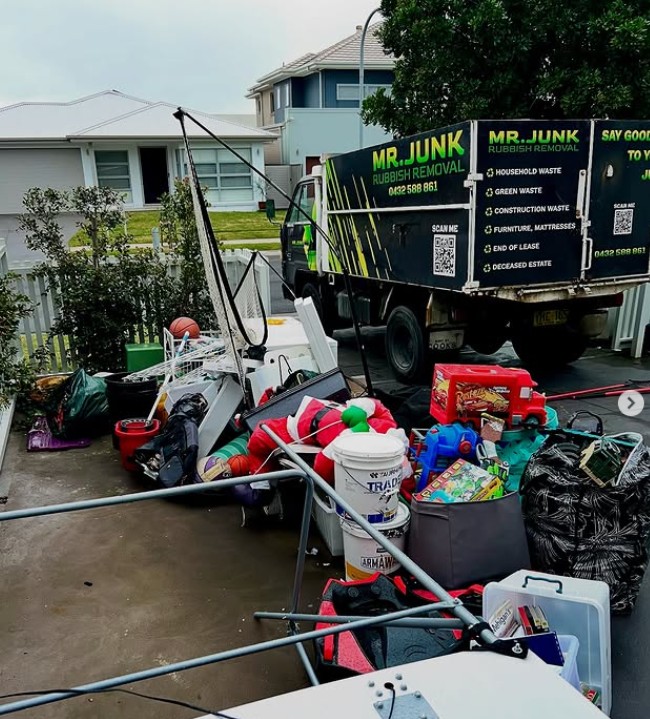
Can You Dispose of Left-Behind Items Without Facing Legal Consequences?
This question often arises in these circumstances, and the answer largely depends on the type and estimated value of the belongings that have been left behind. Understanding the legal framework is essential.
According to the Uncollected Goods Act 1995 (NSW), specific regulations delineate the appropriate course of action based on the nature and value of the items:
- Rubbish and perishables — these can be disposed of immediately without any prior notification.
- Personal documents such as passports, licences, medical records, bank documents, and photographs: a written notice of 28 days is required, after which you must either securely destroy or return these items to their rightful owner.
- Items valued under $1,000: a verbal or written notice is necessary, followed by a 14-day waiting period before any disposal can occur.
- Items valued between $1,000 and $20,000: a written notice is mandatory, accompanied by a 28-day waiting period, after which the items may be sold at public auction or private sale at fair market value.
- Items valued over $20,000: permission from NCAT is required before disposing of these goods, as the Tribunal will determine the appropriate notice period and disposal method.
In many cases, the items left behind are typically rubbish, broken furniture, and worn household goods — these low-value items can often be addressed swiftly. More valuable items requiring careful handling often include working appliances, jewellery, tools, documents, or anything that holds significant monetary or personal value. For further guidance, consult the information provided by the NSW Government regarding your rights and responsibilities concerning uncollected goods.
While we are not legal experts, our extensive experience in this area highlights the importance of understanding the belongings you have, providing the correct notice if necessary, documenting everything thoroughly, and then taking appropriate action.
What Actions Can You Take If They Refuse to Retrieve Their Belongings?
This situation can be exceedingly frustrating — the individual knows their belongings are with you yet remains unresponsive, leaving you in a state of uncertainty and confusion.
After evaluating the value of the abandoned items, it is essential to serve the appropriate notice. In most instances of junk abandonment, this involves:
- Providing either written or verbal notice for items valued under $1,000, followed by a 14-day waiting period.
- Issuing written notice for items valued between $1,000 and $20,000, with a subsequent 28-day waiting period.
Keep meticulous records of every attempt made to contact the individual — whether via texts, emails, or letters sent to their last known address. This documentation is crucial for your protection in the event of any disputes regarding disposal in the future and can serve as evidence of your diligence.
If you receive no response after the notice period has expired, you are legally authorised to take action to resolve the matter.
Key Considerations for Landlords Managing Abandoned Possessions
Before proceeding with any action regarding items left in a rental property, it is vital to confirm that the tenancy has indeed concluded. A property that appears abandoned could still have a tenant who is hospitalised, away for work, or on an extended holiday. If you are uncertain, it is advisable to seek guidance from NCAT before moving forward. If you are confident in the situation, you may change the locks and manage the belongings in accordance with the Act.
You have the right to recover your actual expenses related to removal, storage, and disposal from the former tenant. However, you cannot charge an occupation fee or withhold belongings due to unpaid rent; such matters must be addressed through the tenancy tribunal to ensure compliance with the law.
For rental properties, NSW Fair Trading provides comprehensive guidance. Additionally, your property manager or landlord insurance policy may offer relevant assistance, as many policies cover cleanup costs that arise following eviction or abandonment, giving you added peace of mind.
What Distinguishes Junk from Items of Value?
Understanding this distinction is essential, as it impacts your obligations regarding notice requirements and how you proceed with abandoned items.
Junk: Items such as broken furniture, old mattresses, bagged rubbish, worn clothing, and damaged electronics typically lack significant monetary value and can be disposed of rapidly without extensive notice requirements.
Items of Potential Value: Items like working appliances, jewellery, important documents, tools, and collectibles warrant more careful consideration and handling. If you are uncertain about the value of a specific item, it is wise to err on the side of caution, retain the item during the notice period, and document all attempts to contact the owner. This approach ensures you are covered legally and ethically.
Most individuals who genuinely value their possessions will usually make an effort to retrieve them, so maintaining communication is key.
How Can You Successfully Dispose of Abandoned Items?
Once you have received the necessary approval to proceed, the practical challenge lies in managing the volume and weight of the items left behind. Most abandoned situations involve more than just a few bags of rubbish — consider larger items such as furniture, appliances, bags of clothing, garden waste, and other debris that simply will not fit into a standard wheelie bin and is unsuitable for council collection.
This is where Mr Junk comes into play. We service the Sydney area and can promptly clear a property, often on the same day. Our dedicated two-person team handles all lifting and loading tasks, ensuring you do not have to sort, bag, or move anything yourself, thus saving you time and effort.
We take care of the removal of furniture, mattresses, appliances, electronics, garden waste, bagged rubbish, carpets, and general junk, making the process seamless for you. The only items we cannot accept include chemicals, gas bottles, fuels, and asbestos, ensuring safety during the disposal process.
Our pricing is based on the volume of items — specifically, what occupies the truck space — ensuring you are not burdened with paying a flat rate for a smaller job, allowing for transparency and fairness in our services.
Your Comprehensive Guide to Efficiently Managing Abandoned Items
When belongings are left behind, your objective is to have them removed efficiently and responsibly. Follow this streamlined process to ensure proper management:
- Document everything with photographs before touching any items to create a clear record.
- Assess the value of the left-behind items — this will dictate your notice requirements and next steps.
- Dispose of rubbish and perishables immediately, as no notice is required for these items.
- For items valued under $1,000 — provide notice and wait 14 days to allow for retrieval.
- For items valued between $1,000 and $20,000 — deliver written notice and wait 28 days before taking further action.
- For items valued over $20,000 — apply to NCAT prior to taking any action. Maintain detailed records of all contact attempts for legal protection.
- Once the notice period concludes, reach out to Mr Junk to clear the area and restore your space.
Original Article First Published At: Rubbish and Junk Left Behind: What to Do When Someone Else Leaves Their Stuff at Your Property
The Article: Rubbish Left Behind: How to Handle Unwanted Items on Your Property first appeared on https://writebuff.com
The Article Handling Unwanted Items: Rubbish Left Behind Solutions Was Found On https://limitsofstrategy.com
The Article Rubbish Left Behind: Solutions for Handling Unwanted Items found first on https://electroquench.com