Discover the Transformative Advantages of Ingredients Verified by Blockchain Technology
What Are Ingredients Verified by Blockchain Technology?
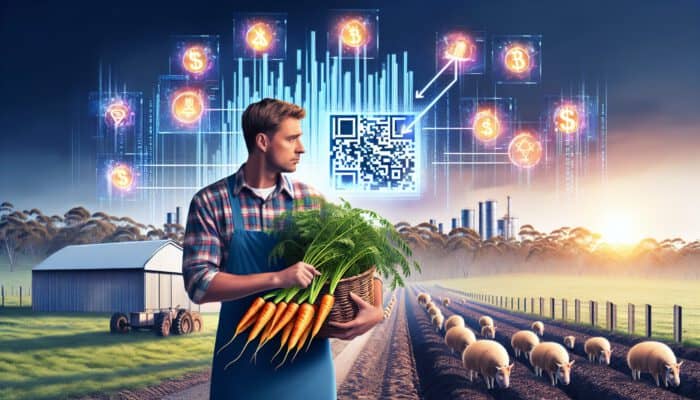
Ingredients verified by blockchain technology utilise state-of-the-art innovation to enhance transparency and confirm the authenticity of food sources. Each ingredient receives a unique digital identifier, enabling comprehensive tracking throughout various stages of production, processing, and distribution across a decentralised ledger. This functionality serves as a reliable resource for chefs and home cooks alike, allowing them to validate the origins and quality of their ingredients before they even begin cooking. For instance, visualise a farm situated in Tasmania that employs blockchain to trace its organic carrots. By scanning a QR code on the packaging, consumers gain insights about the harvest date, location, and farming practices used. This degree of transparency fosters trust, ensuring that every meal prepared with these ingredients is firmly rooted in quality and integrity.
The advantages of blockchain technology reach beyond mere traceability; it facilitates the creation of immutable records. When an ingredient is scanned, all data detailing its journey—from farm to grocery store shelf—is securely recorded and remains unchanged. Consequently, both chefs and home cooks can feel confident knowing they are using fresh, authentic ingredients. For example, a chef might acquire fish from a blockchain-verified supplier, ensuring that the seafood has been sustainably harvested, thus minimising the risk of overfishing. By merging technology with culinary arts, cooks can enhance their dish creations through informed and conscious ingredient choices.
Essential Features of Ingredients Verified by Blockchain Technology
The fundamental features of ingredients verified by blockchain technology are anchored in their capacity to create immutable records that guarantee both freshness and authenticity. Each blockchain entry comprises exhaustive information about the ingredient, including harvest dates, processing methods, and transport conditions. This extensive data is accessible to anyone with a compatible device, empowering home cooks to make well-informed decisions regarding which ingredients to include in their culinary creations. The reassurance of authenticity means that when a cook selects an avocado traced through blockchain, they can trust its quality and sourcing, leading to a more enriching cooking experience.
Furthermore, blockchain technology significantly enhances the lifecycle management of ingredients. For instance, a farm in Queensland might meticulously document the handling of its tomatoes from field to market, detailing temperature controls and storage conditions to ensure the produce remains fresh and safe for consumption. This dedication to transparency aids in preserving traditional cooking methods, as cooks can select ingredients that not only complement their recipes but also enhance the flavours they aim to achieve. By relying on technology that promotes ingredient integrity, home cooks can elevate their culinary creations while respecting classic cooking techniques.
How to Seamlessly Integrate Blockchain Technology into Your Culinary Practices
Integrating blockchain technology into your kitchen involves several practical steps that can significantly enhance your cooking experience. Start by identifying local suppliers or grocery stores that offer blockchain-verified ingredients. Many retailers now feature QR codes on their packaging, granting access to detailed information about the product's journey. By simply scanning these codes with your smartphone, you unlock a wealth of data that informs your purchasing decisions while ensuring the quality of what you are preparing. This proactive approach not only boosts your culinary confidence but also empowers you to make better food choices.
When shopping, actively seek out labels that indicate blockchain tracking. It is essential to inquire about the origins of the ingredients; reputable retailers should be able to provide clear answers derived directly from blockchain data. Additionally, incorporating this advanced technology into your shopping routine does not necessitate altering your cooking style. Instead, it empowers you to uphold traditional cooking practices while relying on the reliability of tracked ingredients. This integration nurtures a more informed cooking process, enabling you to select ingredients that are not only of superior quality but also resonate with your values regarding sustainability and ethical sourcing methods.
How Blockchain Technology Promotes Sustainable Culinary Practices

Ingredients verified by blockchain technology play a pivotal role in sustainability initiatives by authenticating the sourcing practices behind the food we consume. By providing a transparent view of the supply chain, blockchain technology empowers cooks to select ingredients that have been sustainably sourced, effectively minimising the environmental impact of their culinary choices. For instance, consider a scenario where a farm in New South Wales has its practices verified through blockchain; consumers can confidently purchase produce that supports eco-friendly farming methods, significantly contributing to sustainability.
Moreover, blockchain's capacity to reduce food waste is crucial. By delivering real-time data about the freshness and origins of ingredients, cooks can better plan their meals, leading to less spoilage and waste. This not only benefits individual households but also contributes to a broader movement aimed at minimising food waste across communities. By opting for ingredients verified through blockchain, home cooks can make environmentally conscious decisions that support local Australian farmers and sustainable practices without compromising the quality of their meals.
Identifying Challenges and Solutions When Working with Blockchain Ingredients
Adopting ingredients verified by blockchain may present various challenges, particularly for home cooks in Australia. The initial costs associated with implementing tracking technology or accessing premium suppliers can serve as barriers. However, practical solutions exist to help navigate these obstacles. First, consider collaborating with local markets or cooperatives that prioritise blockchain tracking; such partnerships often yield more affordable options while ensuring quality ingredients. This approach not only supports local businesses but also enriches your cooking experience with transparency and trust.
Another common challenge pertains to the technological access needed to engage with blockchain systems. Many consumers may have limited familiarity with the digital platforms that facilitate ingredient tracking. To overcome this, educational resources can play a vital role, guiding cooks through the process of integrating these tools into their cooking routines. Cooking classes or workshops focused on blockchain-verified ingredients can improve familiarity and comfort with the technology. By taking these steps, Australian cooks can seamlessly incorporate blockchain into their kitchens, enriching their culinary adventures without the stress of technical inadequacies.
How Does Blockchain Technology Enhance Ingredient Safety?
Why Is Tracking Ingredients with Blockchain Technology Crucial?
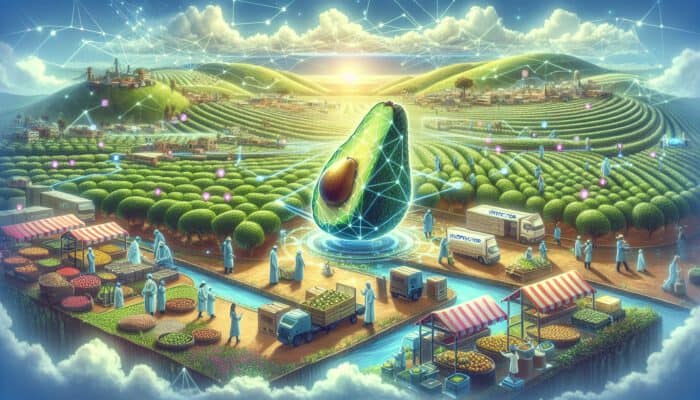
Tracking ingredients with blockchain technology significantly enhances safety by preventing tampering and ensuring that rigorous quality control measures are upheld. This technology establishes a thorough chain of custody for each ingredient, meticulously documenting every step from the farm to the table. By maintaining an immutable record, blockchain can swiftly pinpoint areas of concern regarding perishables, facilitating prompt responses to food safety issues. For example, if a batch of avocados is found to be contaminated, blockchain technology enables swift traceability, allowing affected products to be efficiently recalled, thereby safeguarding consumer health.
In addition, the digital ledger provides the transparency necessary for quality assurance. As ingredients transition through various stages—harvesting, processing, and distribution—each step is recorded, allowing cooks to know precisely how their ingredients were handled. This heightened visibility reduces the risks associated with food preparation, empowering cooks to make informed decisions based on accurate data. Ultimately, blockchain technology equips home cooks to create meals with greater confidence, knowing that the ingredients they use have been monitored for safety throughout their journey.
What Are Common Challenges in Using Tracked Ingredients?
Although the benefits of blockchain-verified ingredients are evident, challenges may arise when utilising these items effectively. One potential obstacle is data access; even with the technology in place, not all consumers know how to obtain and interpret the available information. To streamline cooking routines, it is crucial to adopt user-friendly digital platforms that facilitate easy access to ingredient data. Many suppliers are now developing mobile applications that enable consumers to track their ingredients seamlessly, significantly enhancing the user experience and making informed cooking more accessible.
Another challenge lies in integrating blockchain data into existing cooking processes. Some home cooks may feel overwhelmed by the need to verify each ingredient before use. However, simplification strategies can be implemented. For instance, creating a checklist of preferred suppliers who provide blockchain-verified ingredients can streamline the shopping process. This focused approach allows cooks to efficiently source trustworthy ingredients without being bogged down by excessive data. By addressing these challenges directly, cooks can enjoy the benefits of blockchain technology without sacrificing the ease and enjoyment of meal preparation.
How Blockchain Technology Enhances Everyday Meal Preparation
Incorporating blockchain technology into everyday meal preparation yields a multitude of benefits that can elevate cooking experiences. One of the most significant advantages is the ability to select optimal ingredients for your recipes. The transparency provided by blockchain allows cooks to make informed choices based on freshness, quality, and sustainable practices. Before starting meal preparation, cooks can easily verify the source of their produce, meat, and dairy, ensuring they are using the best possible options for their culinary creations.
Moreover, blockchain technology fosters better outcomes in dishes by allowing cooks to adapt their preparation methods based on the quality of the ingredients. For instance, when recognising that a particular herb is sourced from an organic farm with excellent practices, cooks may choose to enhance their dish’s flavours more boldly. Actionable steps for verifying ingredient details include scanning codes, visiting supplier websites, and even communicating directly with local farms. These practices not only enhance the cooking experience but also cultivate a deeper connection between cooks and their ingredients, ultimately leading to more satisfying culinary creations.
Expert Strategies for Maximising Blockchain Use in Recipes
What Advanced Techniques Can Be Employed for Ingredient Verification?
Experts advocate various advanced techniques for verifying blockchain-verified ingredients that can significantly enhance cooking precision. One effective method involves leveraging mobile technology to scan QR codes or NFC chips embedded in product packaging. This immediate access to a detailed history of each ingredient allows cooks to ensure that what they are using aligns with their recipe requirements, from flavour profiles to dietary restrictions. This level of detail empowers cooks to make better choices that elevate their meals.
Additionally, culinary professionals recommend maintaining a digital log of preferred suppliers along with their blockchain details. By preserving this database, cooks can streamline the verification process, making it easier to replicate successful dishes. This approach fosters a more reliable cooking experience, allowing chefs and home cooks to focus on creativity rather than uncertainty. Integrating these techniques into daily cooking practices not only enhances precision but also nurtures a greater appreciation for the ingredients being used.
To further improve ingredient verification, exploring partnerships with local suppliers committed to blockchain transparency can provide additional benefits. Engaging with farmers or producers willing to share their practices can strengthen the connection between the cook and the food, leading to more informed choices in meal preparation. By leveraging technology and fostering relationships within the supply chain, cooks can optimise their ingredient selection and ultimately elevate their culinary creations.
How to Choose the Right Tools for Tracking Ingredients?
Selecting the right digital platforms for tracking blockchain ingredients is crucial for optimising ingredient choices in your cooking. Various applications and systems are emerging that assist consumers in accessing essential data regarding their ingredients. It is important to evaluate these platforms based on user experience, functionality, and the breadth of information provided. Look for tools that offer not only traceability but also insights into nutritional content and ethical sourcing practices, enabling you to make informed decisions.
Additionally, consider platforms that allow for cross-referencing ingredient details with recipe databases. This functionality can simplify meal preparation by suggesting recipe ideas based on the blockchain data available for your ingredients. Engaging with community forums or reviews can also help identify the best tools on the market, ensuring that users have access to reliable resources that enhance their cooking experience. The right tools can significantly impact how seamlessly you can integrate blockchain into your culinary practices.
Lastly, ensure that the tools selected are compatible with various devices, enabling access on-the-go. Whether using a smartphone or tablet, the ability to quickly verify ingredient details while shopping or cooking can greatly improve efficiency. By carefully selecting the right tracking tools, home cooks can create a more informed and interconnected cooking environment, ultimately leading to enhanced meal outcomes and greater culinary satisfaction.
What Are the Long-Term Advantages of This Approach?
The long-term advantages of using blockchain-verified ingredients are substantial, particularly in elevating cooking standards. Sustained use of blockchain technology in the kitchen can lead to significant improvements in efficiency and reliability across various meal types. Over time, cooks will develop a deeper understanding of ingredient sourcing, enabling them to make more informed culinary decisions that align with their values and preferences regarding quality and sustainability.
One notable advantage is the consistent quality of meals prepared with verified ingredients. As cooks become accustomed to selecting only the best ingredients, they will notice enhanced flavour profiles and textures in their dishes. Additionally, as the supply chain becomes increasingly transparent through blockchain, cooks can also engage with producers directly, fostering relationships that yield better quality produce over time. This connection not only enriches the cooking experience but also supports local economies and sustainable practices.
Moreover, incorporating blockchain-verified ingredients into everyday cooking can lead to an overall shift in consumer behaviour. As more individuals become aware of the benefits of sourcing transparent ingredients, the demand for blockchain-verified products will likely increase. This shift could potentially lead to broader changes in agricultural practices, encouraging more sustainable and ethical sourcing methods. By embracing this technology, home cooks not only improve their culinary experiences but also contribute to a larger movement towards responsible and conscious food consumption.
What Are the Primary Benefits of Using Ingredients Verified by Blockchain?
How Do These Ingredients Enhance Flavour Profiles?
Blockchain technology plays a pivotal role in preserving the purity of ingredients, resulting in superior taste and texture in finished dishes. By ensuring that every ingredient is sourced sustainably and ethically, cooks can create meals that not only taste better but also possess a deeper connection to the land and the people who produce them. For example, sourcing tomatoes from a farm that practices regenerative agriculture allows cooks to anticipate a richer flavour profile in their sauces and salads, ultimately leading to more fulfilling culinary experiences.
Moreover, the freshness of ingredients is crucial to culinary success. Ingredients verified by blockchain often come with detailed timestamps indicating their harvest date, allowing cooks to select the ripest, most flavourful options available. This guarantees that every dish benefits from the peak quality of its components, enhancing the overall dining experience. As chefs and home cooks become more attuned to the connections between ingredient sourcing and flavour, they can create dishes that resonate more deeply with diners, elevating the overall enjoyment of meals.
Furthermore, experimenting with blockchain-verified ingredients opens avenues for unique flavour pairings. Cooks can confidently explore combinations of ingredients sourced from different regions, each with its distinct terroir. The transparency provided by blockchain allows for a richer culinary exploration, where every ingredient’s background story enhances the overall narrative of the dish. This not only elevates the cooking process but also encourages creativity and innovation in the kitchen.
What Potential Challenges Should Be Considered?
While the advantages of blockchain-verified ingredients are compelling, there are potential challenges that home cooks should remain aware of. One common issue is the initial setup costs associated with acquiring these ingredients. Depending on the supplier and the technology used, premium pricing may deter some cooks from making the switch. However, this investment can often be justified by the enhanced quality and safety of the food being prepared, as well as the long-term benefits of supporting sustainable practices.
Another challenge lies in the learning curve involved in effectively utilising blockchain data in cooking routines. For many home cooks, transitioning to this tech-driven approach may feel overwhelming. However, it is essential to recognise that the long-term benefits often outweigh these initial hurdles. Embracing the technology gradually, starting with a few key ingredients, can help ease the transition without causing undue stress. By taking small steps, cooks can progressively integrate blockchain into their culinary practices.
Lastly, the reliance on technology may pose challenges in more rural areas where access to tracking systems is limited. In such instances, alternative sourcing methods might be necessary. Building relationships with local farmers who prioritise transparency can provide a viable workaround, allowing cooks to source high-quality ingredients without relying on extensive digital infrastructure. By staying informed and persistent, home cooks can navigate potential drawbacks while reaping the myriad benefits of blockchain-verified ingredients in their kitchens.
How Can Tracking Data Optimise Ingredient Storage?
Utilising blockchain insights can significantly enhance the storage of ingredients, ensuring they perform well in various recipes. By understanding the specifics of temperature controls and storage conditions through blockchain data, cooks can prolong the life of their ingredients and maintain their quality. For example, tracking data may reveal that certain vegetables must be stored in a cool, dark place to remain fresh, while others thrive in a more humid environment, thus enhancing their usability in cooking.
Implementing strategies based on this information can yield impressive results. Here are some tips for optimising ingredient storage using blockchain insights:
- Store fruits and vegetables separately to prevent ethylene gas from causing premature spoilage.
- Utilise vacuum-sealing techniques for herbs to preserve their potency and flavour.
- Maintain a consistent temperature in storage areas to avoid fluctuations that can affect quality.
- Keep dry goods in airtight containers to prevent moisture and pests.
- Use FIFO (First In, First Out) techniques to ensure older ingredients are used before newer ones.
- Label containers with harvest dates derived from blockchain data to easily track freshness.
- Regularly check your pantry and fridge for expired items to reduce waste.
- Adjust storage methods based on seasonal changes and ingredient availability.
By adhering to these strategies, home cooks can maximise the longevity of their ingredients, ensuring that they remain flavourful and safe for use in various recipes. This not only enhances the cooking experience but also reduces food waste and promotes sustainable practices that benefit the environment and community.
How Blockchain Technology Enhances Supply Chain Transparency
Tracking ingredients using blockchain technology fundamentally enhances supply chain transparency, which is vital in today's market. By documenting every stage of an ingredient's journey—from the farm to the consumer—blockchain reduces fraud and enhances consumer trust. This transparency empowers cooks to verify the origins and quality of their ingredients, leading to safer and more reliable food options in everyday kitchens. It also fosters a culture of accountability within the food industry.
The ability to trace ingredients back to their source means that if a food safety issue arises, the response can be swift and effective. Restaurants and consumers can quickly identify affected products and prevent further consumption, which is essential for safeguarding public health. This level of traceability also encourages suppliers to maintain high standards and ethical practices, as their transparency will reflect their brand's integrity. As Australian kitchens increasingly adopt blockchain technology, cooks are better equipped to make informed decisions that align with their values.
In Australian kitchens, this transparency results in better-informed decisions when selecting ingredients. Cooks are empowered to choose options that align with their values, whether that includes supporting local farmers, opting for organic produce, or selecting sustainably sourced seafood. Ultimately, implementing blockchain technology in the food supply chain not only enhances safety and quality but also fosters a culture of trust and responsibility that enriches the overall culinary landscape, encouraging responsible consumption and community engagement.
Research-Backed Advantages of Cooking with Verified Ingredients
What Evidence Supports the Adoption of Blockchain Ingredients?
Research indicates that adopting blockchain-verified ingredients can significantly reduce waste in the kitchen. Studies have shown that when consumers can verify the sourcing and quality of their ingredients, they are more likely to purchase only what they need, thereby minimising impulse purchases that lead to unused food. By understanding the journey of their ingredients, cooks can feel more connected to their meals, resulting in fewer leftovers and more thoughtful cooking practices that contribute to sustainability.
Additionally, data-driven insights reveal that consumers who engage with blockchain transparency tend to make healthier food choices. By having access to detailed information about nutritional content, sourcing practices, and freshness, cooks can tailor their meals to meet dietary needs and preferences. This level of awareness promotes innovative recipe development, encouraging experimentation with fresh, local, and ethically sourced ingredients, ultimately benefiting both health and the culinary experience.
Ultimately, the evidence suggests that blockchain not only supports culinary creativity but also contributes to a more sustainable and efficient cooking process. Cooks can focus on developing their skills and exploring new flavours without the anxiety of compromising on quality or safety. By integrating these insights into their culinary practices, they can contribute to a healthier planet while enjoying the myriad benefits of blockchain-verified ingredients.
How Can Research Findings Be Applied in Daily Cooking?
Incorporating research findings into daily cooking practices can significantly enhance meal outcomes. One effective method to apply this knowledge is by establishing a system for sourcing ingredients based on blockchain data. For example, develop a routine of checking local markets or suppliers that offer verified items, ensuring that each purchase aligns with your culinary goals and ethos regarding sustainability and quality.
Furthermore, consider utilising educational resources detailing the benefits of blockchain in cooking. Workshops, online courses, or community cooking classes can raise awareness and provide practical strategies for integrating these principles into everyday meal prep. When cooks are equipped with knowledge, they can better navigate the landscape of ingredient sourcing, ultimately leading to improved culinary experiences and more satisfying meals.
Additionally, actively tracking your cooking outcomes can provide insights into the impact of ingredient quality on meal success. Keeping a journal of recipes, noting the types of ingredients used and their sources, allows for reflection on how different factors influence flavours and textures. Over time, this practice can be invaluable in refining your culinary skills and enhancing the overall quality of your meals, fostering a deeper appreciation for the sourcing of ingredients.
How to Measure Success in Your Kitchen with Blockchain Ingredients?
Evaluating the impact of blockchain on cooking efficiency involves establishing metrics that can provide tangible feedback. One straightforward way to measure success is by tracking food waste over time. By comparing the amount of waste generated before and after adopting blockchain-verified ingredients, cooks can assess the effectiveness of their sourcing practices and make adjustments as needed.
Additionally, consider keeping a record of meal satisfaction levels. After preparing dishes with verified ingredients, reflect on the quality of the flavours, textures, and overall enjoyment of the meal. This feedback can assist in fine-tuning ingredient choices and cooking techniques, leading to continuous improvement in culinary outcomes and a more rewarding cooking experience.
Another metric to evaluate is time efficiency in meal preparation. By assessing how blockchain data influences ingredient selection and shopping habits, cooks can determine whether they are spending less time searching for quality ingredients. Over time, these metrics will offer insights into the overall impact of blockchain technology on cooking practices, guiding further improvements in the kitchen and enhancing overall culinary enjoyment.
What Emerging Research Highlights Sustainability Benefits?
Emerging research highlights substantial sustainability benefits associated with tracking ingredients through blockchain technology. Studies indicate that by providing transparency in sourcing and production practices, blockchain can significantly reduce food waste, promote ethical sourcing, and support local economies. For instance, when consumers can verify the sustainability of their ingredients, they are more likely to choose options that align with their values, driving demand for eco-friendly practices within the food system and contributing to a healthier planet.
Furthermore, research indicates that blockchain can enhance collaboration between farmers, producers, and consumers. By fostering transparent relationships, blockchain encourages sustainable farming practices that positively impact the environment. This collaborative approach promotes biodiversity, soil health, and responsible water use, ultimately contributing to a more resilient food system that benefits everyone involved.
As Australian consumers increasingly seek out sustainable options, the demand for blockchain-verified ingredients will likely grow. Engaging with this technology not only supports individual cooking practices but also contributes to a larger movement towards environmentally responsible food consumption. By embracing these insights, cooks can help cultivate a healthier planet while enjoying the benefits of high-quality, trustworthy ingredients that enhance their culinary creations.
Practical Steps for Everyday Cooking with Blockchain Technology
How to Establish a Routine with Verified Ingredients?
Developing a routine that incorporates blockchain-verified ingredients can significantly enhance your everyday cooking experience. Begin by designating specific shopping days focused on sourcing these types of ingredients. Explore local farmers’ markets, grocery stores, or online platforms that provide blockchain transparency, making them your go-to sources for high-quality produce that meets your culinary needs.
Create a checklist to streamline your shopping process. Include items that have been verified through blockchain technology, allowing you to focus on fresh, sustainable options while reducing impulse buys. Over time, this practice will simplify identifying which suppliers consistently provide the best ingredients, fostering a sense of familiarity and trust in your culinary pursuits. This consistency will enhance your overall cooking experience and satisfaction.
Moreover, involve family members or housemates in the meal prep process, encouraging them to engage with the tracked ingredients. This collaborative approach can lead to shared learning experiences and open conversations about the importance of sourcing high-quality ingredients. By building a routine around blockchain-verified items, you will cultivate a more informed and connected cooking environment that ultimately elevates your culinary efforts and strengthens relationships through shared meals.
How to Customise Recipes for Optimum Results?
Using blockchain data to customise recipes can yield impressive results, particularly in achieving optimal flavour profiles and textures. Start by assessing the quality of your ingredients before diving into meal prep; consider how their sourcing impacts cooking methods. For instance, if utilising beef that is verified as grass-fed through blockchain, adjust your cooking method to bring out its rich flavours, perhaps opting for a slow-cooked stew instead of a quick fry to enhance tenderness and depth.
Experiment with ingredient substitutions based on blockchain information. For example, if your favourite herb is sourced from a local organic farm, consider using it generously in your dish to elevate the overall flavour. Alternatively, if you discover seasonal produce that is tracked and fresh, integrating it into your recipes can introduce exciting new flavour combinations that enhance the dining experience and showcase local ingredients.
Additionally, embrace the idea of flexible recipes. When you know the quality of your ingredients, you can feel more empowered to make adjustments in cooking times or techniques, ultimately leading to customised dishes that match your tastes and preferences. This approach not only fosters creativity but also ensures a deeper connection with the ingredients used, resulting in memorable and satisfying meals that reflect your culinary style.
How to Resolve Common Issues with Blockchain Ingredients?
When working with blockchain-verified ingredients, you may encounter common issues that can disrupt your cooking process. It’s essential to have quick fixes on hand to ensure a smooth experience. Here’s a list of practical solutions to common verification errors:
- If a QR code fails to scan, try cleaning the code area or using a different device for verification.
- In case of lost connection to the blockchain app, restart the application or check for updates to restore functionality.
- If you receive inaccurate data, cross-reference with the supplier’s website for additional information to confirm sourcing practices.
- For unclear ingredient details, reach out to customer service for clarification regarding sourcing practices and ingredient information.
- If you find ingredients that do not meet your standards, consider documenting your experience for future reference and share feedback with suppliers.
- Keep a record of suppliers who provide reliable blockchain-verified items for consistency in future purchases, promoting trust in your ingredient sources.
- Engage with online forums or communities for tips on troubleshooting common blockchain-related issues to enhance your knowledge and confidence.
- Stay informed about updates in blockchain technology that may improve tracking systems and user experience.
By having these troubleshooting strategies ready, home cooks can maintain a seamless cooking process while leveraging the benefits of blockchain-verified ingredients. This preparedness ensures that any challenges encountered do not detract from the culinary experience, allowing for a more enjoyable and successful meal preparation process that enhances the joy of cooking with quality ingredients.
Frequently Asked Questions About Ingredients Verified by Blockchain
What Are Ingredients Verified by Blockchain Technology?
Ingredients verified by blockchain technology are those that utilise blockchain technology to confirm their sourcing and quality. Each ingredient is assigned a digital identifier, allowing consumers to trace its journey from production to consumption and ensuring transparency in the food supply chain.
How Does Blockchain Ensure Ingredient Safety?
Blockchain enhances ingredient safety by preventing tampering and providing an immutable record of each ingredient's journey. This capability allows for quick identification and response in case of food safety issues, thus protecting consumer health and maintaining trust in food sources.
Can I Find Ingredients Verified by Blockchain Technology in Australia?
Absolutely, many grocery stores and local farmers’ markets in Australia now offer blockchain-verified ingredients. Look for labels or QR codes that indicate tracking technology is in use, allowing you to make informed choices while shopping.
What Sustainability Benefits Do Ingredients Verified by Blockchain Offer?
These ingredients promote sustainability by authenticating sourcing practices, reducing food waste, and supporting local farmers committed to eco-friendly methods. By choosing blockchain-verified options, consumers can contribute to more ethical and responsible food systems.
How Can I Integrate Blockchain Technology into My Cooking Routine?
Start by sourcing ingredients from suppliers that utilise blockchain technology. Familiarise yourself with the tracking process and make it a habit to verify your ingredients before cooking, thereby enhancing your culinary experience and ensuring quality.
Are There Any Drawbacks to Using Ingredients Verified by Blockchain Technology?
Some drawbacks may include initial setup costs and a learning curve associated with understanding blockchain technology. However, the long-term benefits often outweigh these challenges, offering better quality and safety in food preparation.
How Does Blockchain Improve Flavour Profiles in Cooking?
By maintaining the purity and quality of ingredients, blockchain allows cooks to select fresher, more flavourful options, resulting in superior taste in finished dishes. This connection between sourcing and flavour enhances the overall dining experience.
What Tools Are Best for Tracking Ingredients with Blockchain Technology?
Look for user-friendly mobile applications or digital platforms that offer comprehensive tracking information and integrate seamlessly into your cooking routine. The right tools enhance your ability to verify ingredient quality and sourcing.
How Can I Measure Success in My Cooking with Blockchain Ingredients?
Evaluate success by tracking food waste, meal satisfaction levels, and time efficiency in meal preparation to assess the benefits of using blockchain-verified ingredients and their impact on your cooking experience.
Is Research Available on the Sustainability Benefits of Blockchain in Cooking?
Yes, emerging research highlights how blockchain enhances sustainability by promoting ethical sourcing and reducing food waste, contributing to responsible food consumption practices that benefit the environment and society.
Connect with Us on Facebook!
The post How to Cook with Blockchain-Tracked Ingredients appeared first on https://cookinggods.com
The Article Blockchain-Tracked Ingredients: Cooking with Transparency Was Found On https://limitsofstrategy.com