
Your Comprehensive Guide to Effective Basement Drainage Solutions
What is the Importance of Having a Reliable Basement Drainage System?
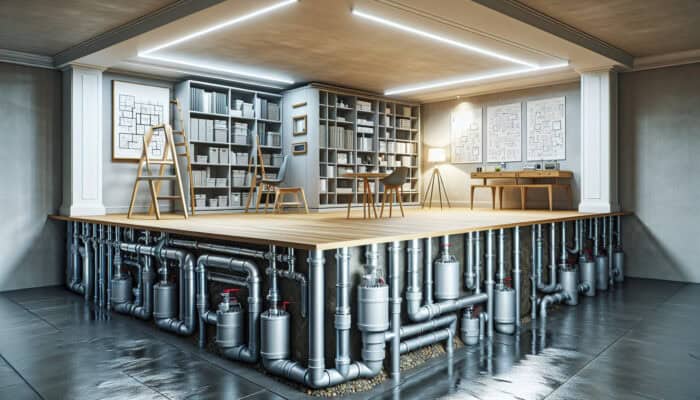
Basement drainage is a crucial procedure that focuses on eliminating excess water from your basement, thereby safeguarding it from potential water damage and ensuring the space remains dry and functional. This intricate process encompasses various systems specifically designed to redirect water away from your home’s foundation, thereby protecting its structural integrity and safety. The significant advantages of implementing a robust basement drainage system include:
- Defence against severe water damage and deterioration of vital structural components.
- Minimisation of mould and mildew growth, which contributes to a healthier indoor atmosphere.
- Enhanced usability of basement areas for valuable storage or as inviting living spaces.
- Preservation of your home’s overall value and structural stability.
By efficiently managing water accumulation, homeowners foster a safer and more comfortable living environment. A thorough understanding of basement drainage principles empowers homeowners to make educated decisions regarding their properties.
Why is a Proper Drainage System Essential for Home Safety?
A well-structured drainage system is indispensable for the protection of your home’s foundation and ensuring its long-term durability. In the absence of adequate drainage, water can accumulate around the foundation, leading to serious structural complications over time. Common indicators that signal a failing drainage system include:
- Water pooling around the foundation or within the basement area.
- Apparent cracks in basement walls or floors.
- Signs of mould or mildew proliferation.
- Musty odours permeating the basement environment.
Timely recognition of these warning signs can prevent extensive damage and avoid costly repairs. Homeowners should conduct regular inspections of their drainage systems and remain vigilant about their condition to proactively tackle any arising issues.
What Specific Drainage Challenges Do Vancouver Homeowners Encounter?
The unique climate and soil conditions in Vancouver create specific drainage challenges, including heavy rainfall and clay soil that retains moisture. Early identification of these challenges can save homeowners considerable headaches and financial burdens. Common signs of drainage problems in this region include:
- Persistent dampness in the basement environment.
- Water stains on walls or floors.
- Drainage backups occurring after heavy rainfall.
- Visible erosion of the landscape surrounding the foundation.
By swiftly recognising these indicators, homeowners can take proactive steps to rectify drainage issues and effectively protect their homes from water-related damage.
Exploring the Various Types of Basement Drainage Systems Available
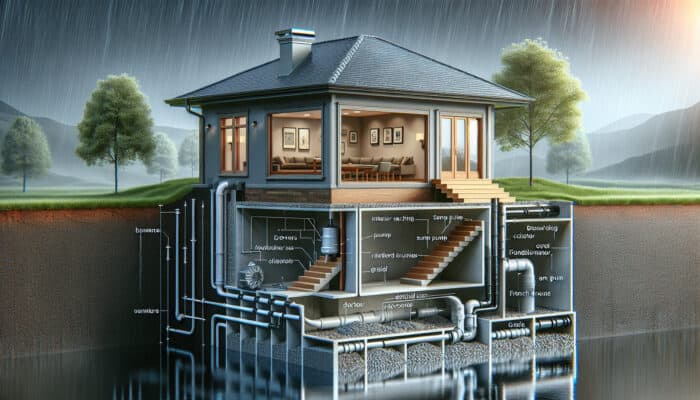
There are numerous types of basement drainage systems available, each with distinct installation and maintenance requisites. Familiarity with these options enables homeowners to select the most suitable system for their specific circumstances.
- Interior drainage systems that effectively gather water seeping through walls and floors.
- Exterior drainage systems designed to prevent water from reaching the home’s foundation.
- Sump pump systems crafted for the efficient removal of water that accumulates in basements.
- French drain systems that use gravel-filled trenches to divert groundwater away from the property.
Selecting the appropriate drainage system necessitates a thorough assessment of your home’s conditions and needs. Regular maintenance is critical for all systems to ensure optimal performance and longevity.
A Detailed Look at Different Basement Drainage Solutions
Understanding the Benefits of Interior Drainage Systems for Optimal Efficiency
Interior drainage systems are specifically engineered to collect water that seeps into the basement through walls or floors. These systems function by directing the water into a sump pit, from which it is pumped out and away from the home. The installation procedure generally involves several significant steps, including:
- Identifying specific areas where water is entering the basement.
- Excavating along the perimeter of the basement floor.
- Installing perforated pipes buried in gravel to enhance effective water collection.
- Connecting the system to a sump pump for efficient water expulsion.
Once installed, it is essential to perform regular maintenance, which includes cleaning the sump pump and ensuring that the pipes remain free from debris to uphold the system’s effectiveness. Homeowners should closely monitor the system, particularly after heavy rainfall, to confirm its proper functioning.
Discovering the Key Advantages of Exterior Drainage Systems

Exterior drainage systems play a pivotal role in preventing water from encroaching upon the foundation by effectively directing it away from the home. This is accomplished through a network of channels and downspouts that manage water flow efficiently. Unlike interior systems, exterior systems focus on diverting water before it can penetrate the home. Key distinctions from interior systems include:
- Exterior systems are installed outside the foundation walls, while interior systems operate within.
- Exterior systems typically necessitate more extensive excavation and landscaping efforts.
- They often integrate grading features designed to optimise water flow.
- Exterior solutions adopt a proactive approach to prevent water intrusion from the outset.
Proper installation and diligent maintenance of exterior systems can significantly mitigate the risk of basement flooding and foundation damage, making them a valuable investment for homeowners navigating Vancouver’s rainy climate.
The Essential Role of Sump Pump Systems in Basement Drainage
A sump pump is an indispensable component for maintaining a dry basement. This device functions by removing water that accumulates in a sump basin, typically located in the basement. The reliability of sump pump systems is especially critical during periods of heavy rainfall. Key maintenance tasks include:
- Regularly testing the pump to ensure it activates and deactivates appropriately.
- Cleaning the sump basin to prevent debris accumulation.
- Inspecting the discharge line for clogs or obstructions.
- Testing the battery backup system, if applicable, to confirm functionality during power outages.
By adhering to these maintenance practices, homeowners can extend the lifespan of their sump pumps and enhance the overall efficiency of their basement drainage system.
Understanding the Functionality and Benefits of French Drain Systems
French drains offer a highly effective means of redirecting groundwater away from a home’s foundation. These systems consist of a trench filled with gravel, containing a perforated pipe at the bottom that collects and channels water away. The effectiveness of French drains in preventing basement flooding is particularly pronounced in areas with high groundwater levels. Key features include:
- The capacity to efficiently eliminate excess water from around the foundation.
- A reduced risk of hydrostatic pressure building up against basement walls.
- Enhanced landscape drainage capabilities.
- Long-term effectiveness when installed correctly and maintained consistently.
For homeowners in Vancouver, the installation of a French drain can drastically reduce the risks associated with heavy rainfall and saturated soil, making it a favoured and effective drainage solution.
Insights from Professionals on Basement Drainage Services in Vancouver
Expert Recommendations for Homeowners in Vancouver
Professionals in the field advocate for tailored drainage solutions that address Vancouver’s distinctive climate, characterised by substantial rainfall and diverse soil types. Effective strategies often incorporate a blend of both interior and exterior drainage systems. Real-world examples of successful drainage projects in Vancouver underscore the necessity of personalised solutions:
- Homes in West Vancouver frequently utilise French drains in conjunction with interior sump pump systems for optimal results.
- Properties in East Vancouver may benefit from enhanced grading and effective exterior drainage channels.
- Basements situated in flood-prone areas often require comprehensive interior drainage systems to combat water ingress effectively.
- Consultations with experts can yield tailored solutions based on the specific conditions of each property.
By leveraging local expertise, homeowners can implement drainage systems that not only address existing issues but also prevent future complications, ensuring long-term protection for their properties.
Exploring Cutting-Edge Innovations in Drainage Technology
Ongoing advancements in drainage technology are enhancing the efficiency and effectiveness of basement drainage solutions. Among the latest innovations are smart sump pumps that monitor moisture levels and automatically activate as required. Homeowners interested in adopting these advancements can take the following actionable steps:
- Research modern sump pump options equipped with intelligent capabilities.
- Explore innovative drainage system designs that incorporate moisture sensors.
- Stay informed about new materials that improve drainage efficiency and durability.
- Consult with professionals regarding the integration of modern technology into existing drainage systems.
By embracing these innovations, homeowners can significantly enhance the performance of their drainage systems, ultimately leading to greater peace of mind during Vancouver’s rainy seasons.
Selecting the Ideal Service Provider for Your Drainage Solutions
Choosing a reputable service provider for drainage solutions is crucial for achieving effective outcomes. Homeowners should consider several key factors to ensure they are making an informed choice. Expert insights on what to look for in a drainage service company include:
- Experience and expertise in basement drainage tailored to the unique conditions of Vancouver.
- Positive customer feedback and testimonials reflecting the quality of service.
- A comprehensive understanding of local building codes and regulations.
- A wide range of service offerings, including installation, maintenance, and emergency repairs.
By carefully evaluating potential service providers, homeowners can secure a trustworthy partner to effectively address and maintain their basement drainage needs.
Understanding the Key Cost Factors for Basement Drainage in Vancouver
Grasping the cost factors associated with basement drainage services in Vancouver is essential for effective budgeting. Costs can fluctuate based on several variables, including the type of drainage system chosen and the size of your home. A breakdown of potential costs may encompass:
- Initial consultation fees for professional assessments.
- Material and installation expenses for the selected drainage system.
- Ongoing maintenance fees to ensure system efficiency.
- Possible costs for emergency repairs or upgrades when necessary.
Homeowners should also consider budgeting strategies, such as obtaining multiple quotes and exploring financing options when needed. Proper planning can ensure that crucial drainage solutions are implemented effectively without causing financial strain.
How Does the Water Removal Process Work in Basement Drainage Systems?
The Mechanism of Water Removal in Drainage Systems
The process of water removal in basement drainage systems involves collecting water that infiltrates and redirecting it away from the basement through a comprehensive network of pipes and drains. Key components of a drainage system include:
- Perforated pipes that effectively capture incoming water.
- A sump basin designed to collect excess water.
- A sump pump that expels water from the basement area.
- Drainage channels that redirect water flow away from the foundation.
Understanding how these components work together allows homeowners to appreciate the importance of each part of the drainage system. Regular inspections are vital to ensure these critical elements function optimally, preventing potential water damage.
Strategies for Preventing Water Damage in Your Home
Effective drainage is crucial for preventing water damage to your home’s structure. Water accumulation can lead to significant issues, including foundation erosion and mould proliferation. Homeowners can implement several proactive measures to safeguard their basements:
- Ensuring proper grading around the home’s foundation to facilitate efficient water drainage.
- Regularly inspecting and maintaining drainage systems to ensure optimal efficiency.
- Installing dehumidifiers to effectively control moisture levels within the basement.
- Sealing cracks in walls and floors to prevent unwanted seepage.
By adopting these proactive strategies, homeowners can protect their properties against the damaging effects of water, thereby preserving their investment over the long term.
The Importance of Regular Maintenance for Drainage Systems
Regular maintenance is vital for ensuring that your drainage system continues to operate effectively. Homeowners should consider performing the following essential maintenance tasks:
- Inspecting and cleaning the sump pump routinely.
- Clearing debris from gutters and downspouts to ensure proper water flow.
- Checking for clogs in drain pipes that could hinder performance.
- Conducting seasonal checks on the entire drainage system to confirm functionality.
By remaining vigilant and addressing minor issues promptly, homeowners can prevent more significant problems from developing, ensuring that their drainage systems function effectively to manage water flow.
What Are the Major Benefits of Implementing Basement Drainage Solutions?
How Effective Drainage Protects Your Home’s Foundation
Implementing proper drainage is essential for safeguarding your home’s foundation. Inadequate drainage can lead to erosion due to water damage, resulting in expensive repairs and structural instability. The long-term benefits for your home’s equity include:
- Extended property lifespan and reduced long-term repair costs.
- Enhanced market appeal due to a well-maintained, dry basement.
- Improved buyer confidence during real estate transactions, facilitating quicker sales.
- A decrease in insurance claims related to water damage, contributing to lower premiums.
Investing in effective drainage solutions not only protects the foundation but also promotes the overall health and longevity of the home, making it a prudent choice for any homeowner.
How Effective Drainage Minimises Mold and Mildew Growth
Maintaining a dry basement significantly reduces the risk of mould and mildew proliferation, which can negatively impact your health and indoor air quality. A dry basement is vital for creating a healthier home environment. Key advantages of a dry basement include:
- Improved indoor air quality, leading to fewer respiratory issues.
- A more pleasant living space free from musty odours.
- A decreased risk of allergic reactions and other health concerns.
- Increased comfort in living spaces designated for recreation or storage.
By ensuring effective drainage, homeowners can establish a safe and healthy living environment for themselves and their families.
Maximising the Usability of Your Basement Space
A dry basement can be transformed into a versatile area for various purposes, such as additional storage, recreational spaces, or even a home office. This adaptability greatly enhances your home’s overall functionality. Potential uses for a dry basement include:
- Converting the space into a guest suite for visiting family or friends.
- Creating a playroom or entertainment area for children and family gatherings.
- Establishing a dedicated workshop or hobby space for personal projects.
- Setting up a home gym for fitness enthusiasts, thereby maximising space utilisation.
Maximising the usability of a dry basement not only adds value to your property but also enriches your living experience, making effective drainage a worthwhile investment for any homeowner.
Cost Considerations and Investment in Basement Drainage Solutions
Breaking Down the Costs of Various Drainage Systems
The cost of a drainage system can differ significantly based on numerous factors, including the type of system selected and the size of the home. Homeowners should take the following elements into account when budgeting for a drainage system:
- The type of drainage system installed (interior, exterior, or sump pump).
- The size and depth of excavation required for installation.
- The material costs for pipes, pumps, and other essential components.
- The labour costs associated with professional installation.
Understanding these cost factors allows homeowners to budget effectively and select a solution that aligns with their financial circumstances, ensuring they receive optimal value for their investment.
Evaluating the Return on Investment for Drainage Systems
Investing in a drainage system can yield substantial long-term savings for homeowners by preventing costly water damage. A well-maintained drainage system can positively influence your home’s resale value by:
- Mitigating the risk of structural damage that could deter potential buyers.
- Ensuring a dry basement, which is often regarded as a significant advantage by many buyers.
- Reducing the likelihood of insurance claims that could impact your property’s appeal.
- Enhancing overall curb appeal and marketability of your home.
By viewing drainage systems as a critical investment rather than merely an expense, homeowners can appreciate the long-term savings and value they contribute to their properties.
Exploring Financing Options for Drainage Projects
For homeowners looking to install a drainage system, several financing options can alleviate the financial burden. Some accessible financing solutions include:
- Home equity loans or lines of credit that leverage the value of your home.
- Personal loans offered through banks or credit unions.
- Financing plans available from drainage service providers.
- Government grants or subsidies for home improvement projects aimed at enhancing drainage.
By exploring these options, homeowners can find a financing plan that accommodates their budget, enabling them to address drainage issues swiftly and effectively.
Effective Strategies for Basement Drainage Services in Vancouver
Implementing Best Practices for Effective Drainage Installation
Adhering to best practices for drainage installation ensures that the system is installed correctly and operates efficiently. Homeowners should keep the following steps in mind for a successful installation:
- Conducting thorough site assessments to accurately determine drainage needs.
- Utilising high-quality materials that are resilient against Vancouver’s climate.
- Ensuring proper slope and grading to facilitate efficient water flow.
- Engaging licensed professionals with proven experience in local drainage solutions.
By following these practices, homeowners can ensure their drainage systems are reliable and effective, providing long-term protection for their properties.
Long-Term Solutions for Vancouver’s Unique Climate
Given Vancouver’s climate, it is vital to consider specific long-term drainage solutions that effectively manage water. Homeowners should explore the following options:
- Integrating landscape grading and drainage solutions to manage surface water effectively.
- Utilising permeable paving materials to minimise runoff and enhance drainage.
- Installing rain gardens or bioswales to naturally filter and absorb excess water.
- Committing to regular maintenance practices to ensure the longevity of the drainage system.
By investing in these long-term strategies, homeowners can effectively manage water while protecting their properties and the surrounding environment.
Case Studies Highlighting Successful Drainage Projects
Real-life examples of successful drainage projects can provide valuable insights into effective solutions. For instance, a homeowner in North Vancouver employed a combination of French drains and a sump pump to successfully address persistent basement flooding issues. Key elements of successful projects often include:
- Comprehensive assessments conducted by drainage specialists prior to installation.
- Custom solutions tailored to the unique conditions of each property.
- Continued maintenance following installation to ensure ongoing effectiveness.
- Positive homeowner experiences leading to referrals and recommendations.
These case studies exemplify the effectiveness of well-planned drainage solutions, providing peace of mind for homeowners facing similar challenges.
What Are the Indications of a Failing Drainage System?
Visible Water Accumulation in the Basement Area
Puddles or standing water in your basement are clear indicators of a drainage issue. If you notice water accumulation, immediate action is necessary to prevent further damage. Steps to address this situation include:
- Identifying the source of the water intrusion to understand the problem.
- Inspecting existing drainage systems for clogs or failures that require attention.
- Consulting with a drainage professional for a comprehensive assessment.
- Implementing temporary measures, such as using a wet vacuum, until permanent repairs can be completed.
Taking swift action can minimise damage and initiate the implementation of effective drainage solutions.
Identifying Musty Odours and Signs of Mold Growth
Musty smells and visible mould growth often indicate excess moisture, typically stemming from drainage problems. To address these issues, homeowners should:
- Identify and rectify any leaks or failures in the drainage system.
- Utilise dehumidifiers to effectively reduce moisture levels in the basement.
- Clean and treat mould-affected areas to eliminate health risks associated with mould exposure.
- Consider installing improved drainage solutions to prevent future occurrences of moisture and mould.
By promptly addressing moisture issues, homeowners can maintain a healthy indoor environment and protect their properties from serious damage.
Assessing Cracks in Basement Walls or Floors
Cracks in walls or floors can allow water to seep into your basement, indicating a need for drainage improvements. Steps to remedy these cracks include:
- Assessing the size and location of the cracks to determine the appropriate solution.
- Using suitable sealants for small cracks to prevent further water ingress.
- Consulting professionals for larger or structural cracks that require expert attention.
- Implementing drainage solutions to prevent additional water intrusion in the future.
Taking immediate action can prevent further damage to the foundation and ensure the safety and stability of your home.
Addressing Slow Draining or Backed-Up Drains
Slow or backed-up drains can signify a blockage or failure within your drainage system. Homeowners can identify and resolve these issues by:
- Inspecting drain covers for debris and clogs that may hinder drainage.
- Utilising plumbing snakes or augers to effectively clear blockages.
- Consulting with drainage professionals for persistent drainage issues that require expert intervention.
- Regularly maintaining and cleaning drainage systems to prevent future backups and ensure consistent performance.
By addressing these drainage problems promptly, homeowners can avoid more significant issues in the future.
Maintaining and Upgrading Your Drainage System for Optimal Performance
Conducting Regular Maintenance Checks for Your Drainage System
Regular inspections are vital for identifying and addressing drainage issues before they escalate into serious problems. Homeowners should look for specific signs during maintenance checks, including:
- Presence of moisture or mould in the basement area.
- Visible cracks or damage to walls and floors indicating potential issues.
- Proper functioning of sump pumps and drainage pipes, confirming they are operational.
- Clear gutters and downspouts that are free from debris, allowing for efficient water flow.
By conducting routine maintenance, homeowners can ensure their drainage systems remain effective and avoid costly repairs in the long run.
Recognising When to Upgrade Your Drainage System
Knowing when to upgrade your drainage system can help prevent future water damage. Indicators that an upgrade may be necessary include:
- Repeated water intrusion despite regular maintenance efforts.
- Significant structural damage related to water problems.
- Outdated systems that do not meet current drainage standards.
- Frequent failures or inefficiencies in existing drainage systems that compromise their effectiveness.
Upgrading your drainage system can enhance its overall effectiveness and protect your home from water-related issues over time.
The Benefits of Professional Services for Drainage Maintenance
Hiring professionals for drainage maintenance ensures that your system is properly maintained and functioning optimally. Advantages of professional maintenance services include:
- Expert assessments of drainage system health and functionality for peace of mind.
- Access to advanced tools and technologies for effective repairs.
- Regular maintenance schedules designed to prevent future issues and ensure reliability.
- Confidence knowing that experienced professionals are managing your drainage needs with expertise.
Investing in professional services enhances the longevity and reliability of your drainage system, ultimately protecting your home from costly damages.
Frequently Asked Questions Regarding Basement Drainage Solutions
What is the primary purpose of basement drainage services?
The primary purpose of basement drainage services is to efficiently remove excess water from your basement, preventing damage and maintaining a dry environment.
How can I determine if my basement drainage system is failing?
Signs of a failing drainage system include visible water in the basement, musty odours, mould growth, and slow-draining or backed-up drains that require attention.
Which types of drainage systems are most suitable for homes in Vancouver?
Interior and exterior drainage systems, along with sump pump and French drain systems, are recommended due to Vancouver’s unique climate challenges.
How frequently should I perform maintenance on my basement drainage system?
Regular maintenance checks should be conducted at least twice a year, especially before and after the rainy season to ensure system efficiency.
What costs are associated with installing a drainage system?
Costs can vary based on the system type, home size, and installation complexity, ranging from a few hundred to several thousand pounds.
Is it feasible to install a drainage system myself?
While some homeowners may attempt DIY installations, it is advisable to hire professionals for proper assessment and installation to ensure effectiveness.
What is a sump pump and how does it function?
A sump pump is a device that removes water collected in a sump basin, typically found in basements, directing it away from the home to prevent flooding.
Are there financing options available for drainage system installation?
Yes, homeowners can explore options such as home equity loans, personal loans, and financing plans offered by drainage service providers.
How does drainage affect my home’s resale value?
A well-maintained drainage system can enhance the resale value by preventing water damage and ensuring a dry, usable basement space for prospective buyers.
What preventive measures can I take to protect my basement?
Implementing proper grading, regularly maintaining drainage systems, and sealing cracks can significantly help protect your basement from potential water damage.
Connect with us on Facebook!
The Article: Basement Drainage Services in Vancouver: Your Guide First Published On: https://pacificbluemechanical.ca/
The Article Basement Drainage Services: A Guide for Vancouver Residents Was Found On https://limitsofstrategy.com



You’ve highlighted some essential points about basement drainage that resonate deeply with me. A few years ago, my family faced significant challenges with water accumulation in our basement, which not only caused structural concerns but also led to ongoing battles with mold. It’s incredible how much peace of mind comes from addressing these issues early on.
It sounds like you faced quite a challenge with your basement. Water accumulation can really take a toll not just on the structure of a home, but also on the peace of mind we all seek in our living spaces. Your experience really illustrates how crucial it is to address these issues before they escalate.
“I’m glad to hear that you’ve found value in addressing these issues early on! If you’re looking for more tips on effective basement drainage solutions, check out this resource that might help further protect your home.”
https://martharoseboutique.co.uk/ChocolateHealth